2025
2004
Five Guamanians interviewed in the early 2000s recall the Japanese bombing of Guam on 7 December 1941, and the years of food shortages, abuses, and other hardships that followed. They describe their childhood lives before, during, and after the island's occupation by Japanese soldiers.
2020
Stories from those who were there. A unique insight into what it was really like to be there. Interviews with the pilots , cut with archive footage paint the picture from one of History's greatest ever Air Battles.
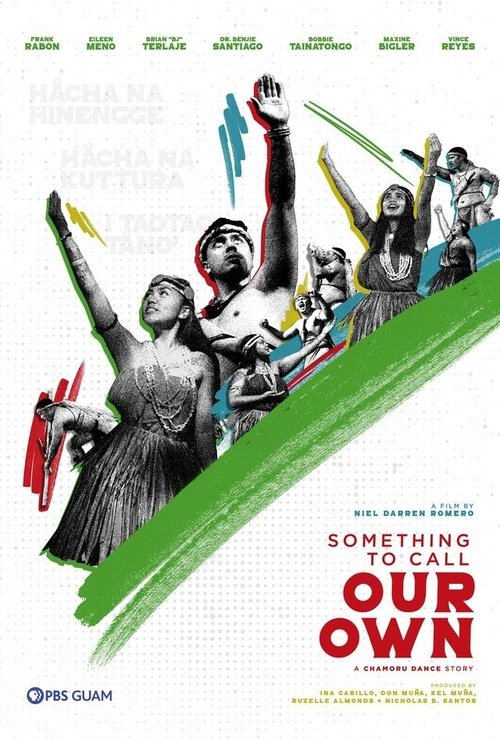
"Something to Call Our Own" is a compelling documentary that delves into the origins, obstacles, and evolution of modern CHamoru dance. From the small island of Guam to the international stage of FestPAC, the documentary showcases the inspiring story of cultural revival, resilience, and the ongoing journey to reclaim and preserve a tradition that belongs to the CHamoru people. Once silenced by colonization, the CHamoru people rise—through song, chant, and dance. At the heart of this revival stands Master Frank Rabon, who dared to reimagine a lost tradition, giving it back to the generations who longed for it. From the shores of Guam to the world stage of FestPAC the CHamoru people reclaim their identity, their language, their pride. Through every movement, there’s a dance and with every dance they declare: We are still here and this is Something to Call Our Own.
1973
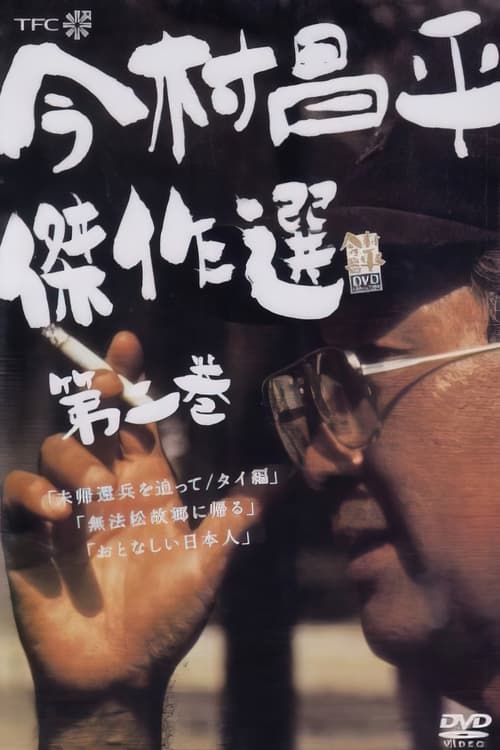
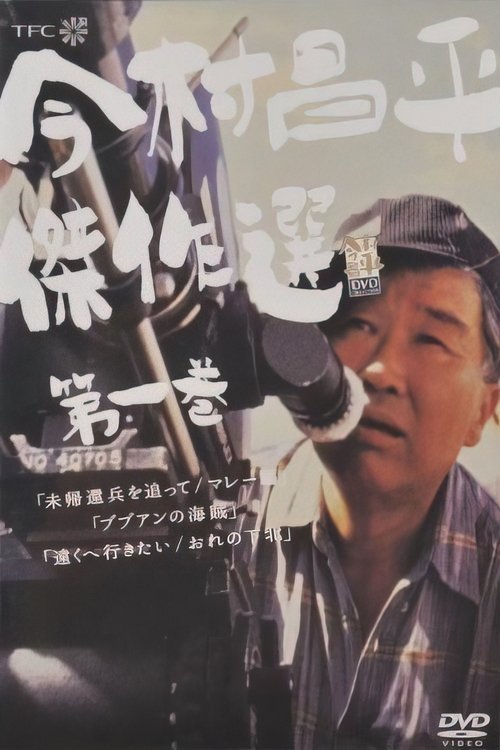
“In Search of Unreturned Soldiers was about former soldiers of the Japanese army who chose not to return to Japan after the war. I found several of them who had remained in Thailand. Two years later, I invited one of them to make his first return visit to Japan and documented it in Outlaw-Matsu Returns Home. During the filming, my subject Fujita asked me to buy him a cleaver so that he could kill his ‘vicious brother.’ I was shocked, and asked him to wait a day so that I could plan how to film the scene. By the next morning, to my relief, Fujita had calmed down and changed his mind about killing his brother. But I couldn’t have had a sharper insight into the ethical questions provoked by this kind of documentary filmmaking.” —Shôhei Imamura
1970
Famed filmmaker tracks down former Japanese soldiers in Malaysia.
1944
Return to Guam is a 1944 short propaganda film produced by the US Navy about the taking and recapture of the island of Guam. The film starts when a convoy of ships nearing the island sees strange lights flashing from the island in Morse code "information". After cautiously investigating the signal, they find that it was made by a white man, George Tweed, the last survivor of the original garrison at Guam. Tweed relates his harrowing story of how he survived in the bush for 31 months with the help of the natives, Chamorros.
Veterans of World War II describe their experiences of the retreat to Dunkirk in 1940 and the evacuation. On 10 May, the German Army invaded Holland and Belgium. The Blitzkrieg had begun, an entirely new way of fighting war. For the young men aged 18 and 19 who joined up to 'do their bit', it was a terrifying baptism of fire, and for the British Army a shattering blow. Within three weeks, it was a crushing defeat, leading to the largest military evacuation in history. This film is the story, told in their own words, of a group of young men, now veterans, and their first experience of modern mechanised warfare.