2005
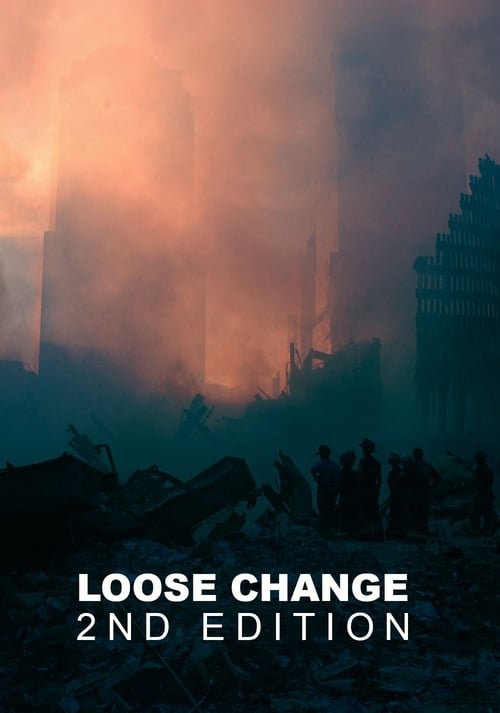
2nd Edition of Loose Change documentary. What if...September 11th was not a surprise attack on America, but rather, a cold and calculated genocide by our own government?We were told that the twin towers were hit by commercial jetliners and subsequently brought down by jet fuel. We were told that the Pentagon was hit by a Boeing 757. We were told that flight 93 crashed in Shanksville, Pennsylvania. We were told that nineteen Arabs from halfway across the globe, acting under orders from Osama Bin Laden, were responsible. What you will see here will prove without a shadow of a doubt that everything you know about 9/11 is a complete fabrication. Conspiracy theory? It's not a theory if you can prove it.Written and narrated by Dylan Avery, this film presents a rebuttal to the official version of the September 11, 2001 terrorist attacks and the 9/11 Commission Report.
1970
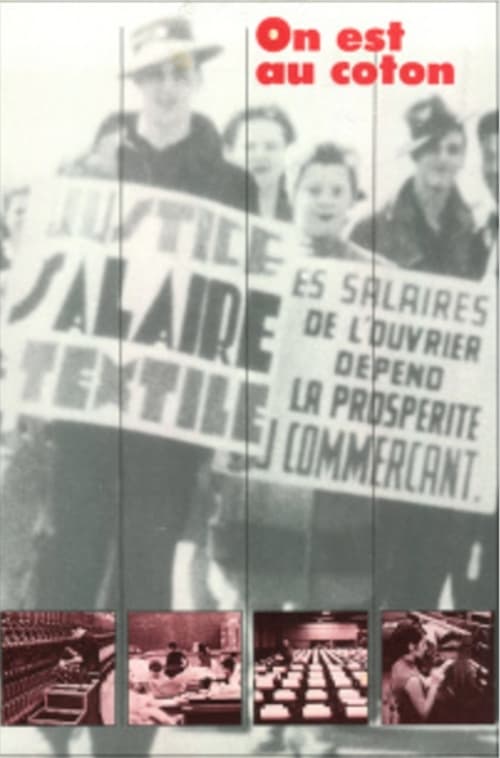
Director Denys Arcand made an inquiry on textile industry in Quebec, meeting employers and workers of that industry.
1957
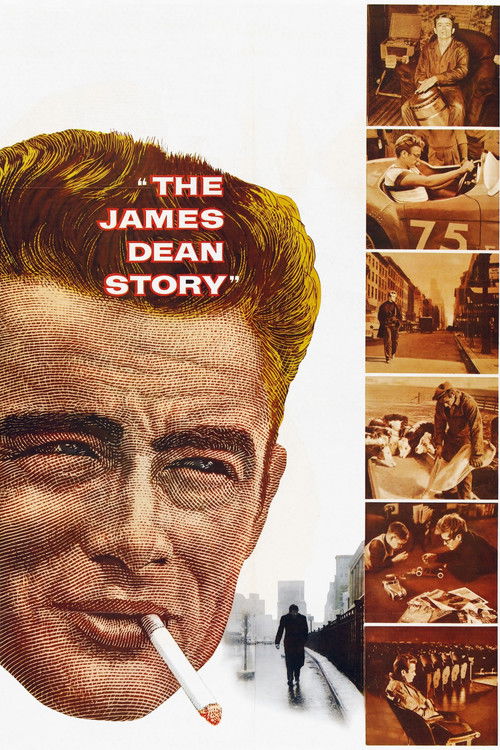
Released two years after James Dean's death, this documentary chronicles his short life and career via black-and-white still photographs, interviews with the aunt and uncle who raised him, his paternal grandparents, a New York City cabdriver friend, the owner of his favorite Los Angeles restaurant, outtakes from East of Eden, footage of the opening night of Giant, and Dean's ironic PSA for safe driving.
2015
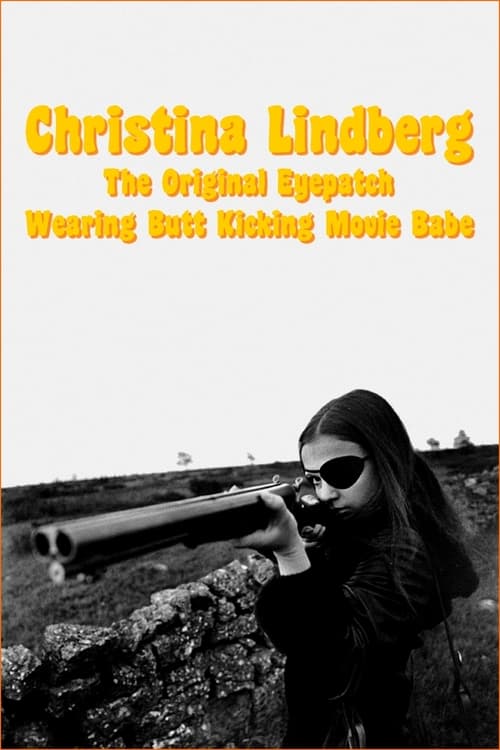
A look at the life and work of Christina Lindberg, the most famous Swedish model of the 1970s and star of exploitation cinema.
1895
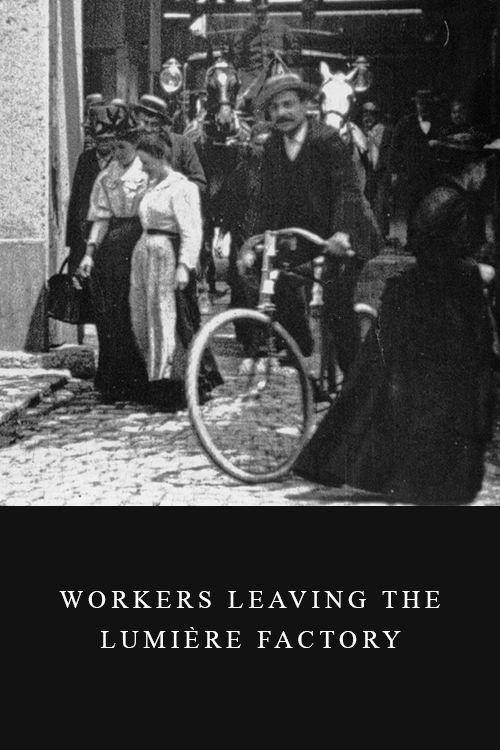
Working men and women leave through the main gate of the Lumière factory in Lyon, France. Filmed on 22 March 1895, it is often referred to as the first real motion picture ever made, although Louis Le Prince's 1888 Roundhay Garden Scene pre-dated it by seven years. Three separate versions of this film exist, which differ from one another in numerous ways. The first version features a carriage drawn by one horse, while in the second version the carriage is drawn by two horses, and there is no carriage at all in the third version. The clothing style is also different between the three versions, demonstrating the different seasons in which each was filmed. This film was made in the 35 mm format with an aspect ratio of 1.33:1, and at a speed of 16 frames per second. At that rate, the 17 meters of film length provided a duration of 46 seconds, holding a total of 800 frames.
1999
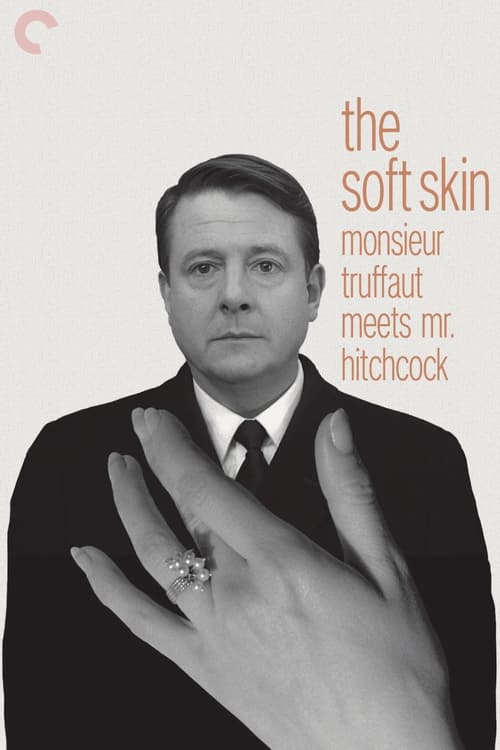
When Francois Truffaut approached Alfred Hitchcock in 1962 with the idea of having a long conversation with him about his work and publishing this in book form, he didn't imagine that more than four years would pass before Le Cinéma selon Hitchcock finally appeared in 1966. Not only in France but all over the world, Truffaut's Hitchcock interview developed over the years into a standard bible of film literature. In 1983, three years after Hitchcock's death, Truffaut decided to expand his by now legendary book to include a concluding chapter and have it published as the "Edition définitive". This film describes the genesis of the "Hitchbook" and throws light on the strange friendship between two completely different men. The centrepieces are the extracts from the original sound recordings of the interview with the voices of Alfred Hitchcock, Francois Truffaut, and Helen Scott – recordings which have never been heard in public before.
1985
A tribute to the late, great French director Francois Truffaut, this documentary was undoubtedly named after his last movie, Vivement Dimanche!, released in 1983. Included in this overview of Truffaut's contribution to filmmaking are clips from 14 of his movies arranged according to the themes he favored. These include childhood, literature, the cinema itself, romance, marriage, and death.
2012