2001
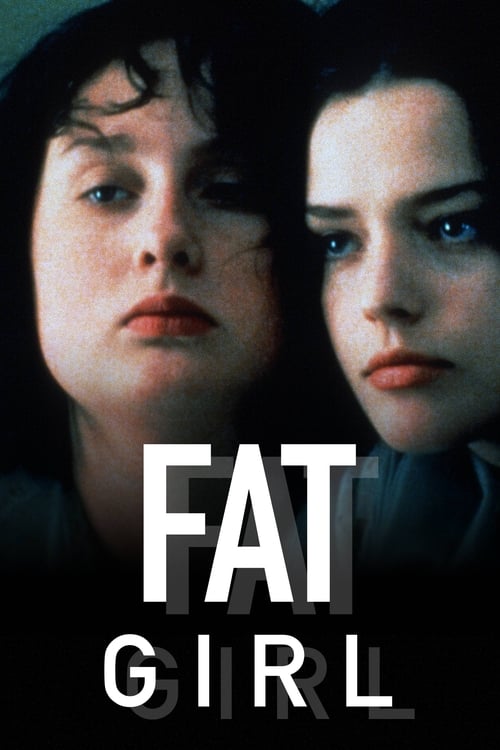
Anaïs is twelve and bears the weight of the world on her shoulders. She watches her older sister, Elena, whom she both loves and hates. Elena is fifteen and devilishly beautiful. Neither more futile, nor more stupid than her younger sister, she cannot understand that she is merely an object of desire. And, as such, she can only be taken. Or had. Indeed, this is the subject: a girl's loss of virginity. And, that summer, it opens a door to tragedy.
Bridget Jones is an average woman struggling against expectations. As a New Year's resolution, Bridget decides to take control of her life, starting by keeping a diary in which she will always tell the complete truth. Her charming boss takes an interest in her, and she cannot stop running into a rather disagreeable acquaintance whom Bridget cannot help finding quietly attractive.
1938
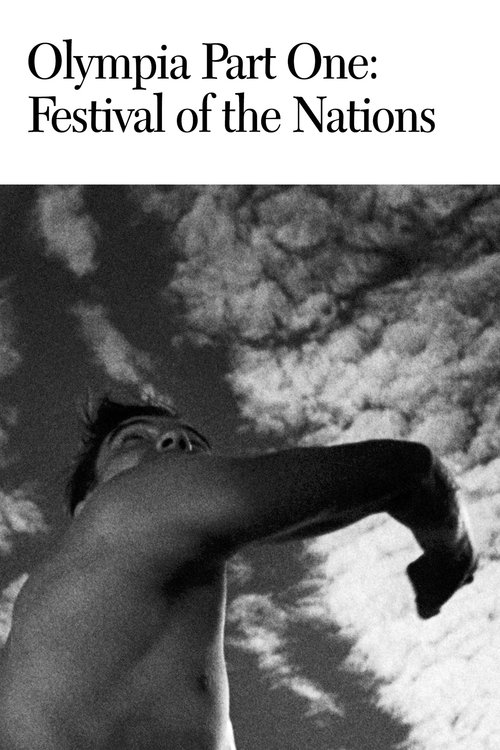
Starting with a long and lyrical overture, evoking the origins of the Olympic Games in ancient Greece, Riefenstahl covers twenty-one athletic events in the first half of this two-part love letter to the human body and spirit, culminating with the marathon, where Jesse Owens became the first track and field athlete to win four gold medals in a single Olympics.
1993
When an arranged marriage brings Ada and her spirited daughter to the wilderness of nineteenth-century New Zealand, she finds herself locked in a battle of wills with both her controlling husband and a rugged frontiersman to whom she develops a forbidden attraction.
1999
Two bodies and one mind, this is the extraordinary story of one pair of conjoined twins in today's world.
2017
An intimate, psychological portrait of collage artist Lance Letscher.
1986
Seven Women, Seven Sins (1986) represents a quintessential moment in film history. The women filmmakers invited to direct for the seven sins were amongst the world's most renown: Helke Sander (Gluttony), Bette Gordon (Greed), Maxi Cohen (Anger), Chantal Akerman (Sloth), Valie Export (Lust), Laurence Gavron (Envy), and Ulrike Ottinger (Pride). Each filmmaker had the liberty of choosing a sin to interpret as they wished. The final film reflected this diversity, including traditional narrative fiction, experimental video, a musical, a radical documentary, and was delivered in multiple formats from 16, super 16, video and 35mm.
2006
Tarachime is a documentary film which observes 'life' through childbirth. Kawase Naomi, a film director working under the theme of family, life and death, presents the bond of life through her own childbirth experience. "First, I was planning to film from the day I conceived a child and to the moment I gave birth. But I realized, while filming, that this is not the story of "one life." In the end, the film sublimed to a higher stage on which we can witness the knot tying one life with another."