1983
Takes us to locations all around the US and shows us the heavy toll that modern technology is having on humans and the earth. The visual tone poem contains neither dialogue nor a vocalized narration: its tone is set by the juxtaposition of images and the exceptional music by Philip Glass.
2017
Explorer Bruce Parry visits nomadic tribes in Borneo and the Amazon in hope to better understand humanity's changing relationship with the world around us.
2000
It was perhaps the most spectacular flourishing of imagination and achievement in recorded history. In the Fourth and Fifth Centuries BC, the Greeks built an empire that stretched across the Mediterranean from Asia to Spain. They laid the foundations of modern science, politics, warfare and philosophy, and produced some of the most breathtaking art and architecture the world has ever seen. This series, narrated by Liam Neeson, recounts the rise, glory, demise and legacy of the empire that marked the dawn of Western civilization. The story of this astonishing civilization is told through the lives of heroes of ancient Greece. The latest advances in computer and television technology rebuild the Acropolis, recreate the Battle of Marathon and restore the grandeur of the Academy, where Socrates, Plato and Aristotle forged the foundation of Western thought.
1959
An exploration of the contrast between modern civilization and isolated groups of people, often referred to as “primitive”, whose way of life is largely untouched by technological progress.
2008
The History of the Devil charts the evolution the idea of a supreme embodiment of evil from the time of the ancient gods to the present day. This critical analysis provides insightful and structured analysis of the origins of Devil and the way in which it has been used over the centuries.
1929
An impression of the state of the world in 1929, contrasting similarities and differences in religion, customs, art and entertainment from all over the world. The film is constructed like a symphony.
2016
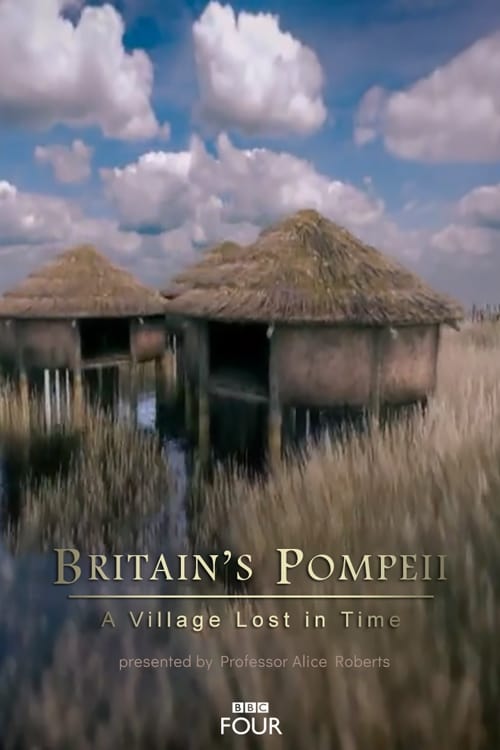
Professor Alice Roberts joins the team excavating a 3,000-year-old Bronze Age village in the Cambridgeshire Fens that's been called the 'British Pompeii' due to the remarkable levels of preservation.
2011
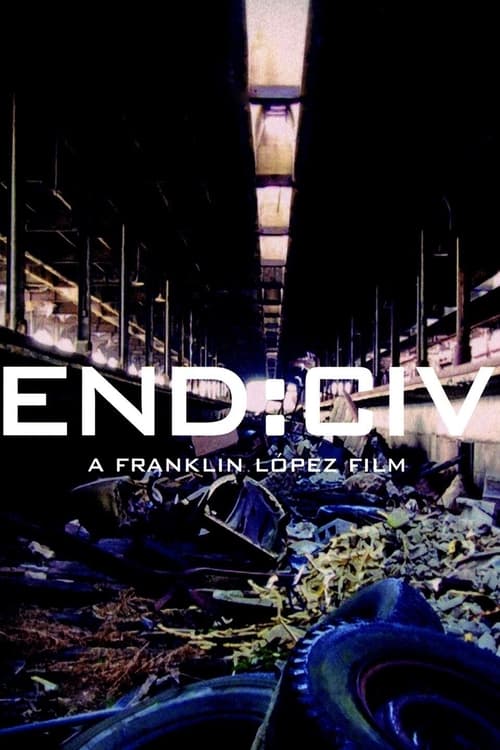
The causes underlying the collapse of civilizations are usually traced to overuse of resources. As we write this, the world is reeling from economic chaos, peak oil, climate change, environmental degradation, and political turmoil. Every day, the headlines re-hash stories of scandal and betrayal of the public trust. We don't have to make outraged demands for the end of the current global system - it seems to be coming apart already. But acts of courage, compassion and altruism abound, even in the most damaged places. By documenting the resilience of the people hit hardest by war and repression, and the heroism of those coming forward to confront the crisis head-on, END:CIV illuminates a way out of this all-consuming madness and into a saner future. Backed by Jensen's narrative, the film calls on us to act as if we truly love this land. The film trips along at a brisk pace, using music... Written by Franklin Lopez