1972
This is the only feature directed by the famed French painter and sculptor Martial Raysse. In keeping with the revolutionary spirit of the time, the movie has no plot to speak of and appears to have been largely made up on the spot. We follow the cat man into a bizarre fantasy universe presented in negative exposure that reverses color values (black is white and vice versa) and written words. The cat man steals a car and then picks up a young girl he promises to take to “Heaven.” Heaven turns out to be a country chateau inhabited by several more animal mask wearing weirdoes...
1978
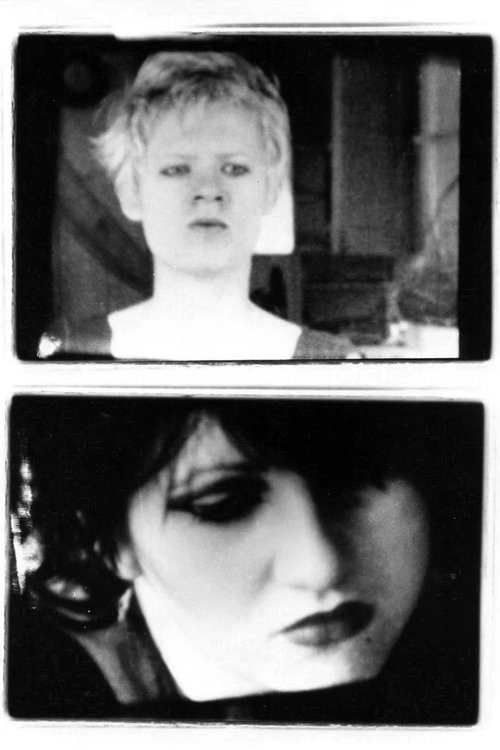
Two women – one passive and resigned, the other aggressive and domineering – interact in various locations in New York city. The film explores the dynamic between them before ending with a showdown at the roller-coaster on Coney Island.
2002
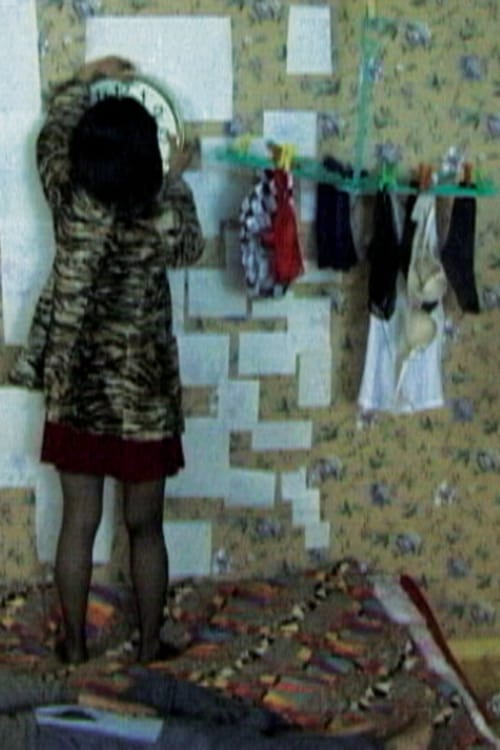
Time-Consciousness offers four mutually contradictory versions of a series of events. The constant factors are a middle-aged poet with a gammy leg, a prostitute who may or may not be dead, and the woman’s humble room (which may or may not be tidy), where the poet does his writing. Asking "What did happen at 9:20 that evening?," the film underlines the unreliability of memory and the impossibility of objectivity.
1987
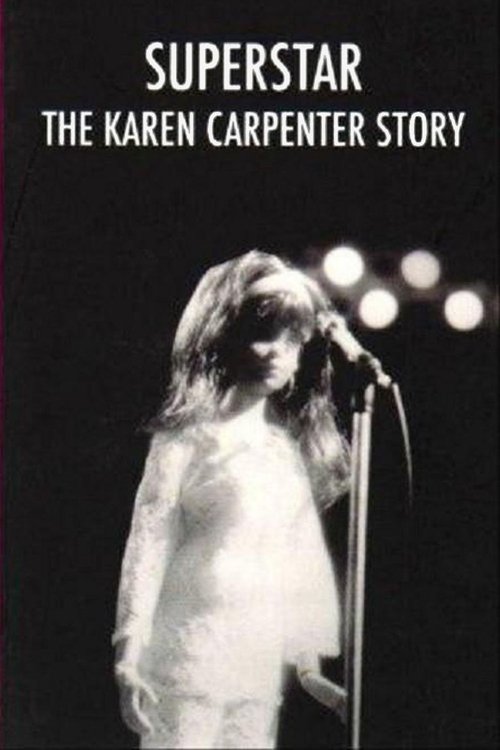
The final 17 years of American singer and musician Karen Carpenter, performed almost entirely by modified Barbie dolls.
1963
A boy accompanies another to the Maciel Island to sexually initiated with a prostitute. The crossing of the Riachuelo and precarious place show a world outside appearance of the great capital. This first short Cedron anticipates characters in a world that reappear in his later works. Movie considered part of the so-called "Generation 60", the new Argentine cinema.
1966
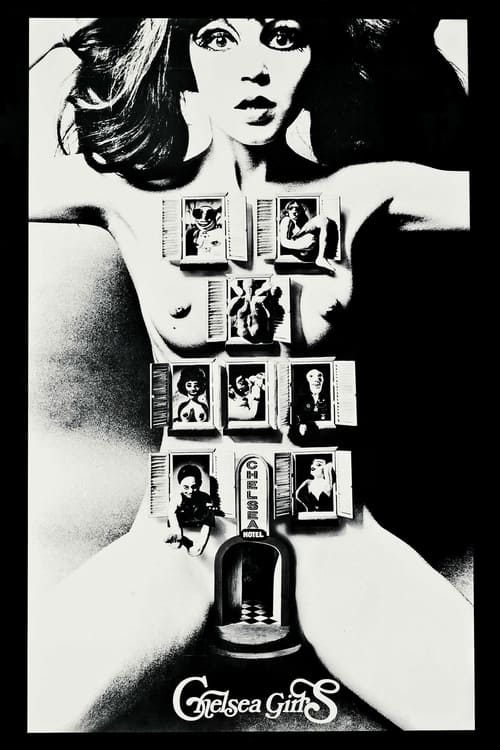
Lacking a formal narrative, Warhol's mammoth film follows various residents of the Chelsea Hotel in 1966 New York City. The film was intended to be screened via dual projector set-up.
1958
An experimental movie based on a poem of the French writer and director Jean Cocteau about a servant who fantasises about killing the lady of the house.
1975
Engel und Puppe is the first film by Italian filmmaker and writer Ellis Donda. Screened at Oberhausen in 1975, Engel und Puppe is a political adaptation of some lines from Rilke's Duino Elegies, featuring the French poet Jacqueline Risset and a young Rossella Or (soon to become an avant-garde theatre actress).