2025
In her often pioneering work, historian Michelle Perrot has continually questioned the fate of those on the margins of our society, giving them a voice to break the silence of history. In her Histoire de chambres (History of Bedrooms), published in 2009, Michelle Perrot speaks in the first person for the first time. She explores the social and intimate role of bedrooms throughout history. Inspired by these reflections, Teri Wehn Damisch paints a "bedroom" portrait of the historian: we enter with Michelle Perrot into the bedrooms of the house in Nohant, where the rebel George Sand, her first heroine, lived. The defining events of her childhood, the awakening of her political consciousness, her daring research, her decisive encounters, her view of feminism: Michelle Perrot immerses us in the episodes that shaped her life as a free woman and placed her among the most influential intellectual figures of our time.
2004
2023
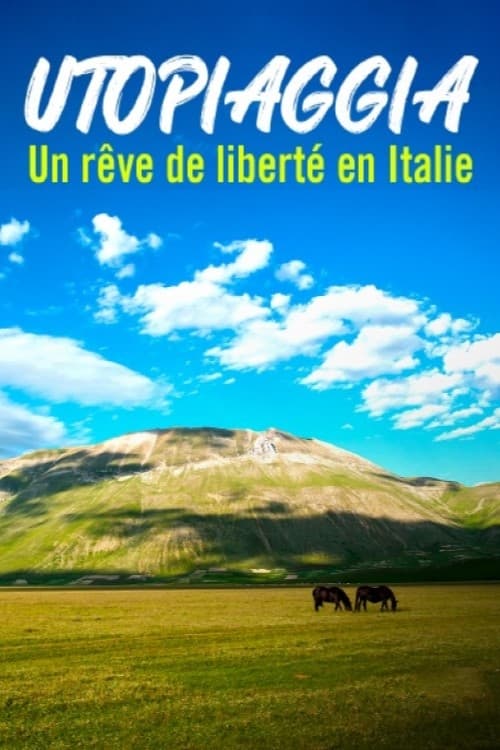
At the beginning of the 1980s, a group of Germans ventured into a social experiment: in the remote hills of Umbria, they founded a self-sufficient community beyond consumerism and bland gainful employment. After 40 years, the rural commune still exists. Not all the plans have come to fruition over the years. How are the dropouts doing today?
2021
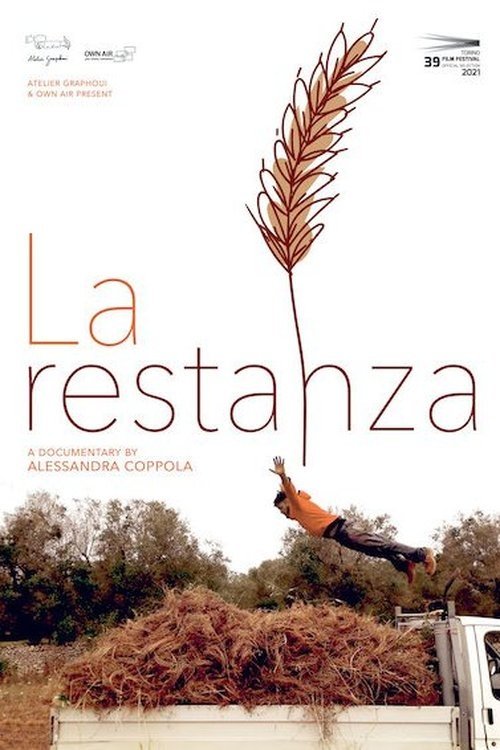
Castiglione d'Otranto, in the South of Italy. A group of thirty-year-olds no longer accept that the solution to the economic, ecological and political problems of the territory is always "to leave". They propose to the villagers who own pieces of uncultivated land, often felt as a burden, to put them in common. They decide to stay, to link their lives to the land and to invest in a value: being together. Castiglione becomes the village of restance. They cultivate ancient seeds and local biodiversity, they make decisions together, they develop a local economy. Accepting the shadows of the past, another potential of the place is rediscovered.
2022
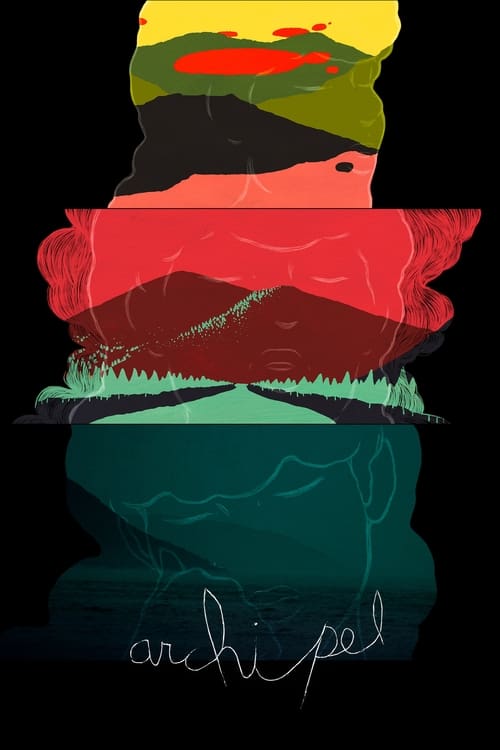
A true animated film about invented islands. About an imaginary, linguistic, political territory. About a real or dreamed country, or something in between. Archipelago is a film of drawings and speeches, that tells and dreams a place and its inhabitants, to tell and dream a little of our world and times.
2011
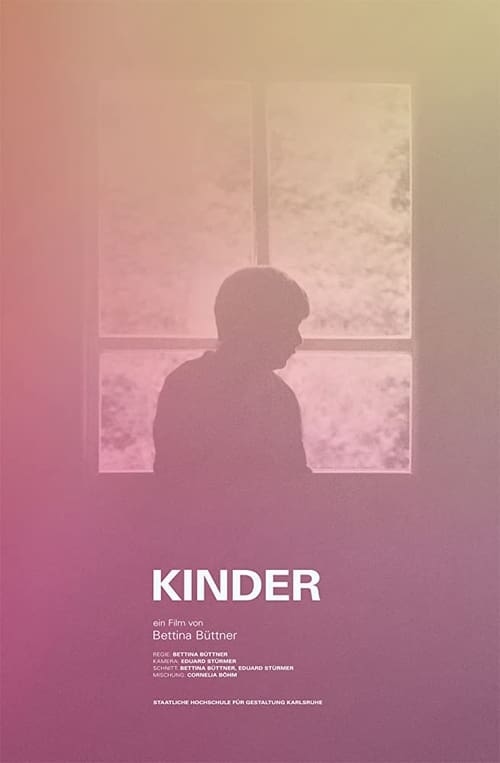
In Bettina Büttner’s exquisitely lucid documentary Kinder (Kids), childhood dysfunction, loneliness, and pent-up emotion run wild at an all-boys group home in southern Germany. The children interned here include ten-year-olds Marvin and Tommy. Marvin, fiddling with a mini plastic Lego sword, explains matter-of-factly to the camera, “This is a knife. You use it to cut stomachs open.” Dennis, who is even younger, is seen in a hysteric fit, mimicking some pornographic scene. Boys will be boys, but innocence is disproportionately spare here. Choosing not to dwell on the harsh specifics, Büttner reveals the disconcerting manner in which traumatic episodes can manifest themselves in the mundane — a game of Lego, Hide and Seek, or Truth or Dare. Filmed in lapidary black-and-white, Büttner’s fascinating film sheds light on childhood from the boys’ characteristically disadvantaged perspective — one not yet fully cognizant — leaving much ethically to ponder over.
1978
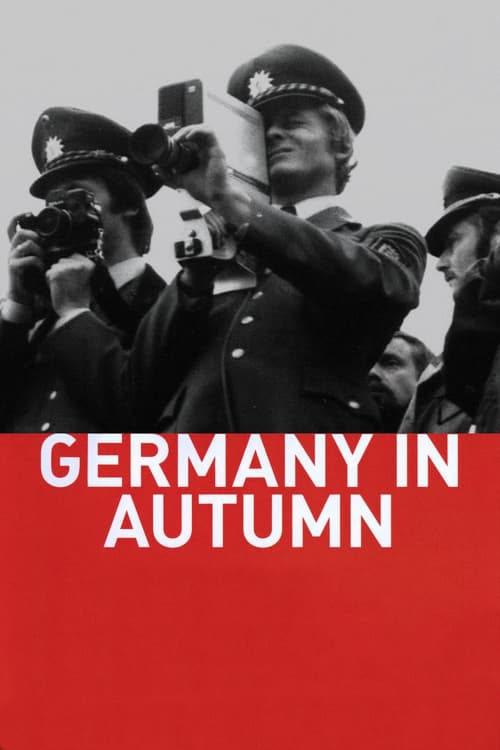
Nine fictitious documentaries and films reflect the mood of late 1970s Germany, particularly the two-month period in 1977 when a businessman was kidnapped by the RAF (Red Army Faction). The kidnap had been made to orchestrate the release of the original leaders of the RAF, aka the Baader-Meinhof.
2010
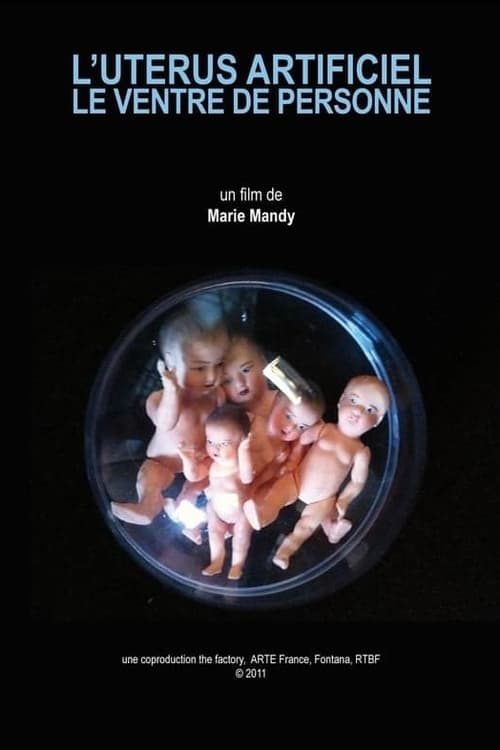
The issue of artificial insemination has biological, medical, psychological, and ethical dimensions. Filmmaker Marie Mandy approaches the topic in her own unique way, involving scientists from various disciplines. The artificial womb—is it a futuristic fairy tale or scientific reality? Filmmaker Marie Mandy uses a very personal visual style to explore the latest research findings in the field of artificial insemination. She highlights the biological, ethical, and psychological issues surrounding this (r)evolution, while also questioning the value of life and the power of science.