1972
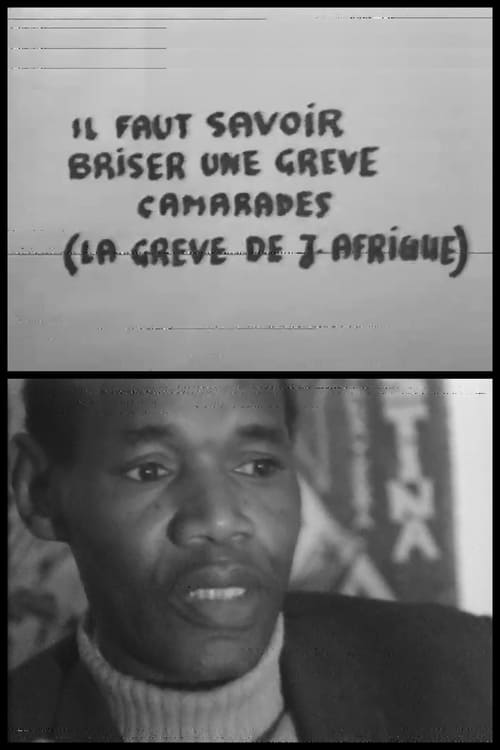
After two months of a hard-fought strike, accompanied by a day-and-night occupation of the premises, Jeune Afrique's workers were the victims of a court order authorizing their CEO, Bechir Ben Yahmed, to have them removed by the police. If they resisted, they risked falling foul of the law against rioters. To avoid the African comrades being deported from France, the strikers decided to leave. But before leaving, they organized a demonstration of solidarity with hundreds of journalists from the traditional and revolutionary press.
1997
In 1947, the Assisted Passage Scheme began, devised by the Australian government to bring in white British settlers. For just 10 pounds, they could start a new life in a sun-drenched land of opportunity, and over the next 25 years, more than a million people took up the offer. The scheme's pioneers tell their story.
2018
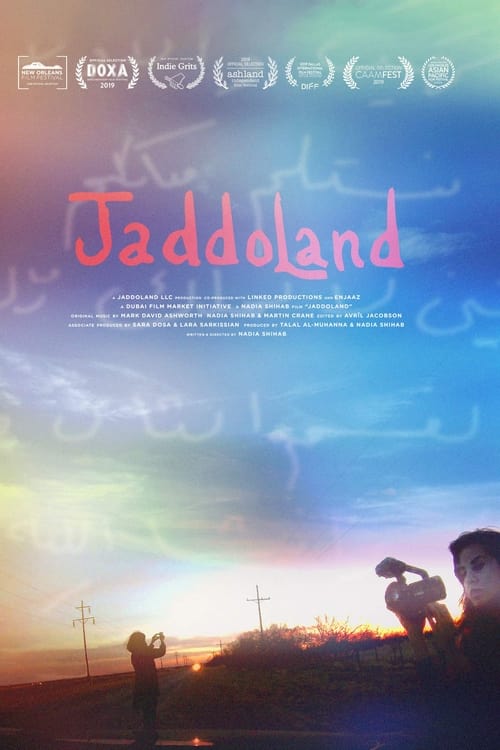
Moving between the playful and the contemplative, explores the meaning of identity and home across three generations of an Iraqi family in Texas.
2004
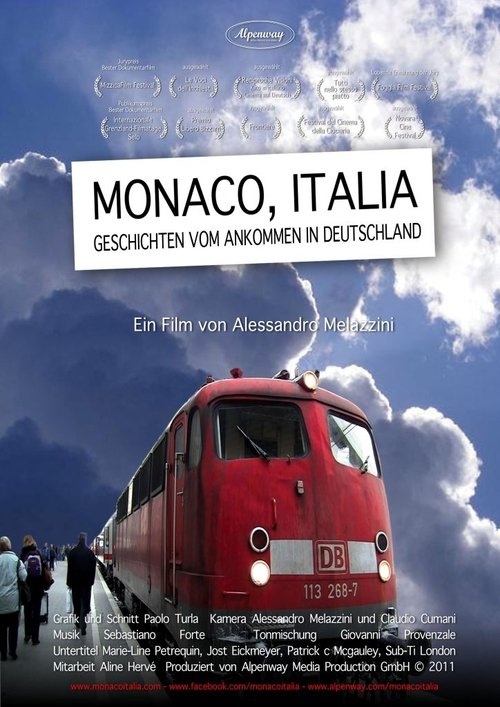
I followed the everyday lives of Ali, Kais, Ertan and Alban with my camera for over two years. The time was characterized by disappointments, conflicts and also great successes. It all began with a visit to the "Klingelpütz" youth center in the middle of Cologne. Young migrants have been meeting here for many years.
2017
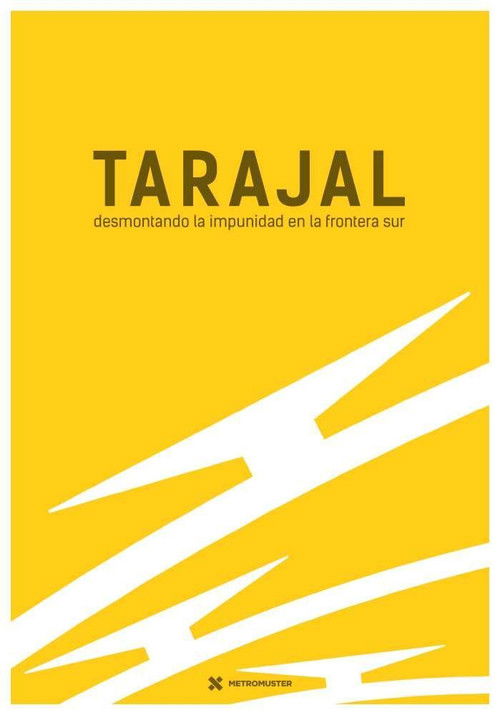
The events that took place at the beach of El Tarajal in Ceuta (Spain) in February 2014 - the killing by the border police of 15 people who were trying to reach the Spanish coast - are an example of how the police force can violate the laws of its own country and international conventions with total impunity. The worst part is that this violation of human rights is protected by the Spanish Ministry of Interior itself, which hinders any effective action by the prosecution. For this reason, the civil society plays a fundamental role in revealing the facts. This is where the figure of collective complaints (DESC Observatory and the association Coordinadora de Barrios) steps in.
2024
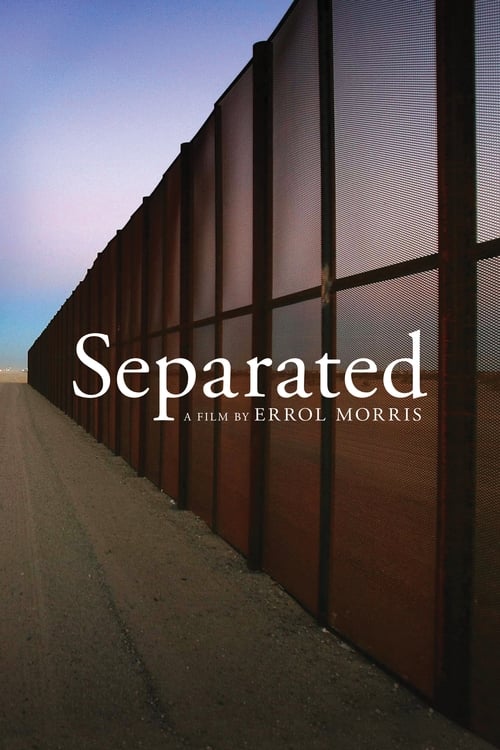
Academy Award®-winning filmmaker Errol Morris confronts one of the darkest chapters in recent American history: family separations. Based on NBC News Political and National Correspondent Jacob Soboroff’s book, Separated: Inside an American Tragedy, Morris merges bombshell interviews with government officials and artful narrative vignettes tracing one migrant family’s plight. Together they show that the cruelty at the heart of this policy was its very purpose. Against this backdrop, audiences can begin to absorb the U.S. government’s role in developing and implementing policies that have kept over 1300 children without confirmed reunifications years later, according to the Department of Homeland Security.
1999
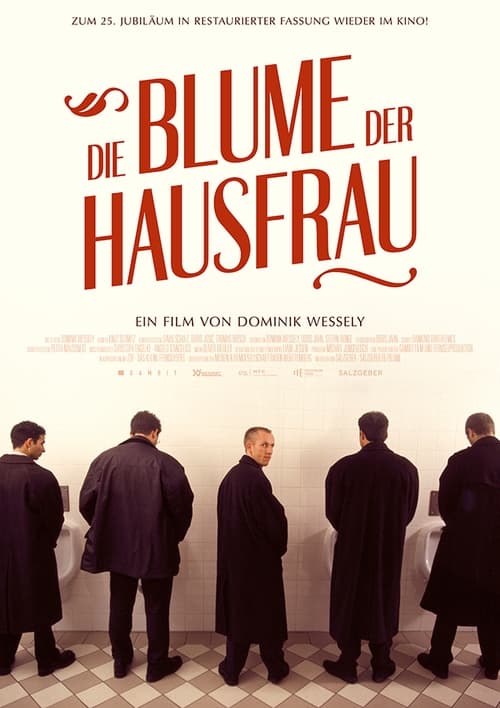
About a group of door-to-door salesman who try to sell vacuum cleaners from "Vorwerk", a German manufacturer.
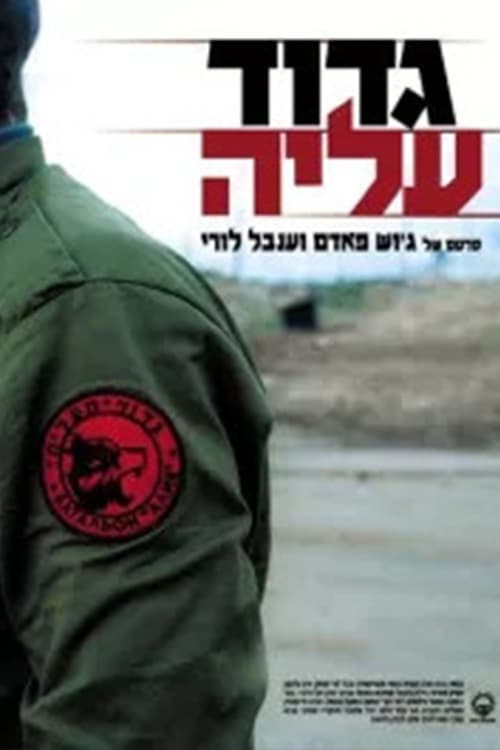
The long lasting Palestinian-Israeli conflict has created appaling phenomenons that have horrified the Israeli society. the "politically conscience-refusals" or those individual soldiers refusing to fight in the occupied territories, are one of those phenomenons. In opposition to them stand a thousand immigrants from the former Soviet Union, ex-military men from the Red Army, who yearn to be recruited into the IDF and fight for Israel, but who are denied the right to serve in the army. Through the stories of Oleg and Alex, immigrants and the battalion's charismatic commanders, the story of the Russkii Battalion is told. It is a story of contrasts between the hardships of the daily struggles they face as new immigrants against the pride and the sense of belonging they find in the battalion. The Russkii Battalion is a film about a militaristic social bubble, in a country that is in constant war.