2019
After one of the hottest years on record, Sir David Attenborough looks at the science of climate change and potential solutions to this global threat. Interviews with some of the world’s leading climate scientists explore recent extreme weather conditions such as unprecedented storms and catastrophic wildfires. They also reveal what dangerous levels of climate change could mean for both human populations and the natural world in the future.
2022
One day, the tree is considered mature. In any case, it is exploitable for the industry. So, we mark it and then cut it down. With the chainsaw or the harvester, it depends. And then it becomes biomass, pallets, panels, pellets, crates, paper pulp for printing promotions. But what profit does man get from the pains he takes under the sun?
2016
Chernobyl 1986. A nuclear reactor exploded, spewing out massive quantities of radiation into the atmosphere. Within days, the pollution had spread across Europe. Living on land contaminated with radioactivity would be a life-changing ordeal for the people of Belarus, but also for the Sami reindeer herders of central Norway. It even affected the Gaels of the distant Hebrides. Five years ago there was a meltdown at the Fukushima reactor, and thousands of Japanese people found their homes, fields and farms irradiated, just as had happened in Europe. This international documentary, filmed in Belarus, Japan, the lands of Norway's Sami reindeer herders and in the Outer Hebrides, poses the question: what lessons have we learned?
1973
Filmed in the Canadian Rockies and in Garibaldi Park, this documentary features magnificent footage of mountain solitudes and the wildlife found there, of natural splendour in all its changing moods. The film carries the implicit warning that all this may pass away if people do not seek to preserve it. Without words.
2011
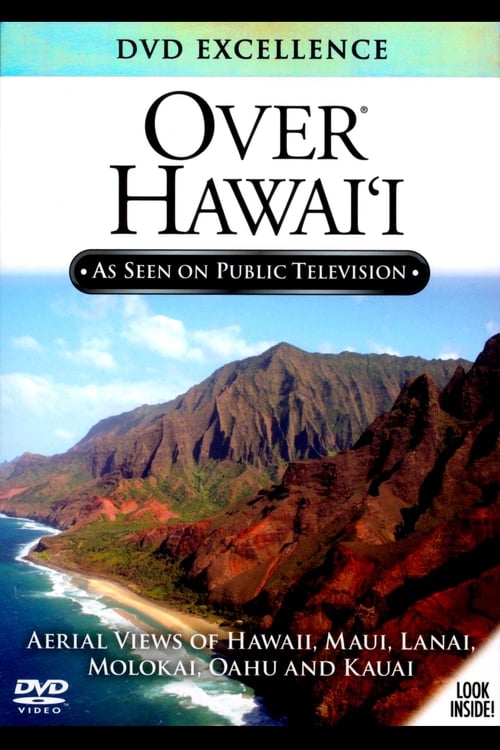
Go to the Big Island and hover above erupting craters at Hawaii Volcanoes National Park, watch flowing orange lava ooze across charred rock and steam billow from the Pu'u 'O'o Vent. Glide over Maui's Haleakala National Park and discover the diversity of Hawaiian landscapes. Island hop to Lanai for spectacular beaches. Visit Pearl Harbor from above and the memorial sites before exploring the rest of Oahu. Narrated by Tom Skerritt
The film accompanies Flo, a young Scot from Glasgow, on an intensely personal journey, as she seeks out examples of nature recovery around Europe. Like many of her generation, Flo is concerned by the state of nature and fearful about an uncertain future. However, during her travels, she discovers places where nature is making a spectacular comeback, breathing life back into the landscape and revitalising human communities. Encouraged by these stories of hope and renewal, she is prompted to wonder: Why Not Scotland?
1955
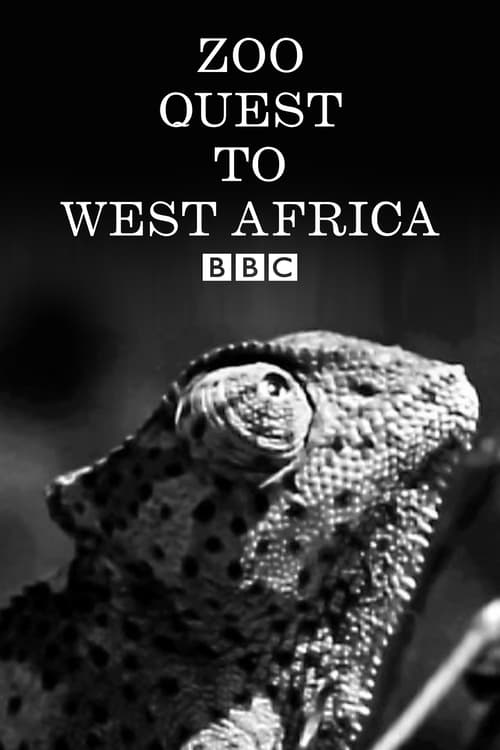
In September 1954, David Attenborough, cameraman Charles Lagus, Jack Lester and Alf Woods, both from the Zoological Society of London, set out for Sierra Leone. They spent three months intently surveying the landscapes of Sierra Leone in search of nature’s rarest animals. Although predominantly searching for Picathartes gymnocephalus (the White-necked Rockfowl) they hoped to take back to London a representative collection of the whole of animal life in this part of Africa.