1986
In Acapulco, Hercule Poirot attends a dinner party in which one of the guests clutches his throat and suddenly dies. The causes seem to be natural until another party with most of the same guests produces another corpse.
1938
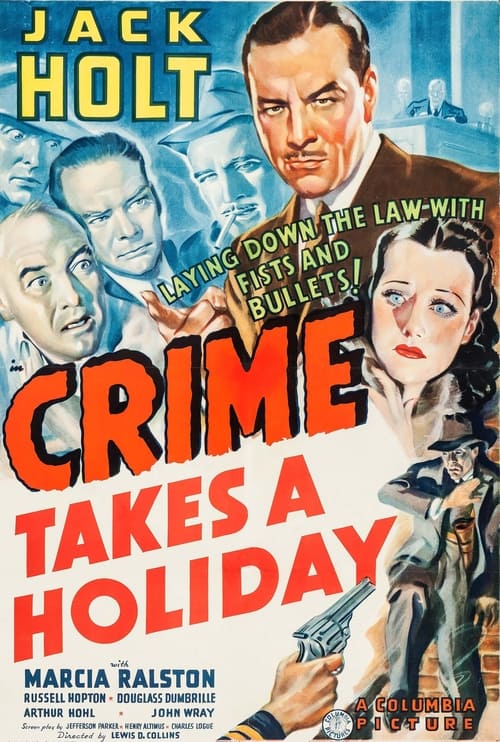
In this B potboiler, a college professor finds himself suspected of a murder on his school's campus.
A district attorney uses psychology to expose a criminal gang by publicizing the prosecution of an innocent man.
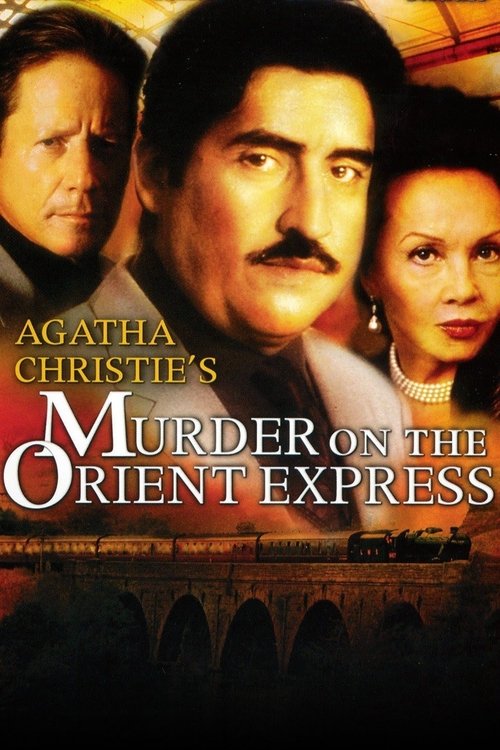
2001
Agatha Christie's classic whodunit speeds into the twenty-first century. World-famous sleuth Hercule Poirot has just finished a case in Istanbul and is returning home to London onboard the luxurious Orient Express. But, the train comes to a sudden halt when a rock slide blocks the tracks ahead. And all the thrills of riding the famous train come to a halt when a man discovered dead in his compartment, stabbed nine times. The train is stranded. No one has gotten on or gotten off. That can only mean one thing: the killer is onboard, and it is up to Hercule Poirot to find him.
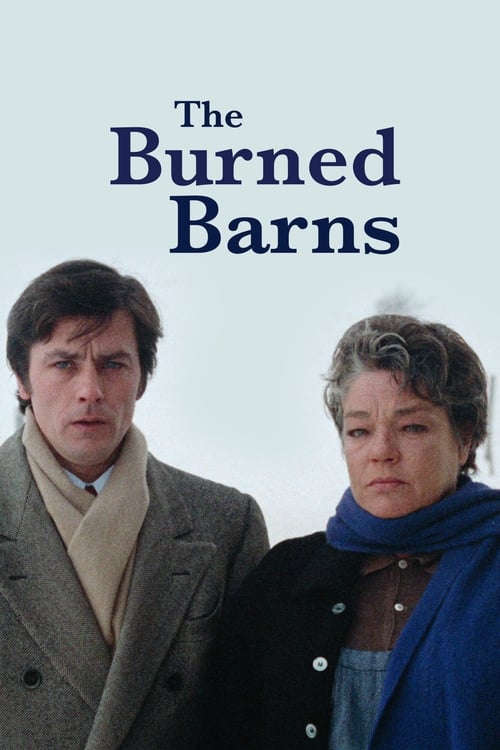
1973
The body of a young woman is discovered near a farm. The judge, Larcher is in charge and thinks that the farmers have something to do with the murder.
2002
Straight-to-video filmmaker David Payne writes and directs the docudrama Just Can't Get Enough: The True Story of the Chippendales' Murders. The movie opens with Nick DeNoia (Peter Nevargic) getting shot in his office. The bulk of the story takes place in the early '80s during the glory days of the Chippendales night club, owned by sleazy businessman Steve Banerjee (Shelley Malil). Innocent college graduate Chad Patterson (Johnathan Aube) gets a job at the club to make some extra money, but he manages to get corrupted by the money and lifestyle. Then choreographer DeNoia gets involved in a blackmail scandal and Steve gets illegal ideas of his own.
2016
A hooded vigilante is broadcasting murders on a news channel. Will the police catch him alive before he live-casts another death?
2023
Two ordinary women who accidentally committed a crime wanted to cover up their tracks. However, the internal conflict they faced as women in the eyes of society ultimately prevented them from carrying out their intention.