2006
Two Bangladeshi girls born and raised in London have weddings arranged for them against their will by their family. Shahanara, the rebel of the family, banished from the family in her teens for being "too Western", has to swap her pink hot pants for a sari as she goes off to the airport to meet her new Bangladeshi husband. Her sister Hushnara is the opposite of Shahanara; a devout Muslim who agrees to marry so she doesn't upset her parents.
2024
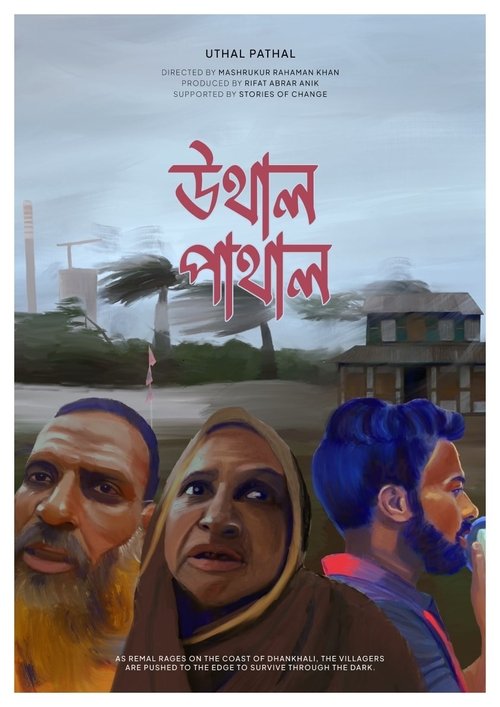
As Cyclone Remal approached, we arrived in Debpur village of Dhankhali Upazila, Bangladesh. What struck us immediately was the stark contrast between the official warnings of impending devastation and the villagers' apparent lack of preparedness. Over the following days, amidst the unfolding chaos, we documented the lives of individuals as they grappled with the imminent threat of destruction. The film captures the overbearing anxiety that grips entire communities in the face of an approaching cyclone. Through intimate encounters, and candid interviews, we witness firsthand the resilience and fear of those directly in Remal's path. Their voices echo the overwhelming power of nature and the human spirit in adversity.
1972
A film about the first benefit rock concert when major musicians performed to raise relief funds for the poor of Bangladesh. The Concert for Bangladesh was a pair of benefit concerts organised by former Beatles guitarist George Harrison and Indian sitar player Ravi Shankar. The shows were held at 2:30 and 8:00 pm on Sunday, 1 August 1971, at Madison Square Garden in New York City, to raise international awareness of, and fund relief for refugees from East Pakistan, following the Bangladesh Liberation War-related genocide.
2023
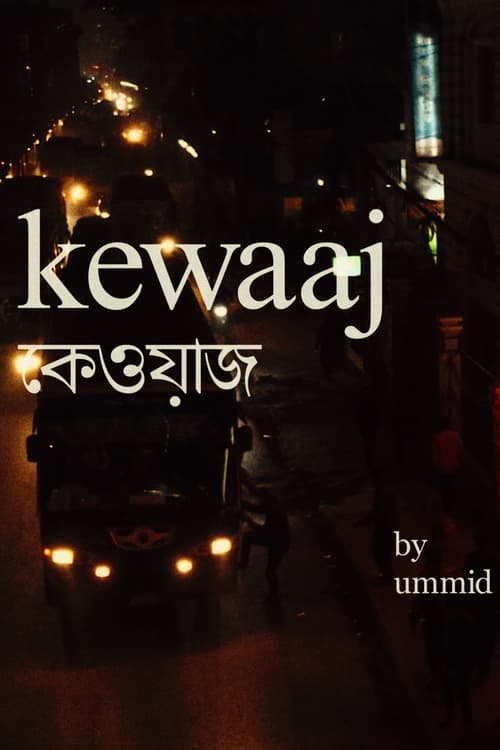
The word kewaaj (কেওয়াজ) is colloquially used to explain chaos, noisiness or annoyance. "Kewaaj" is an audiovisual attempt to give you a glimpse into how the people of Dhaka function in one of the most unliveable cities, according to the Global Liveability Index.
2022
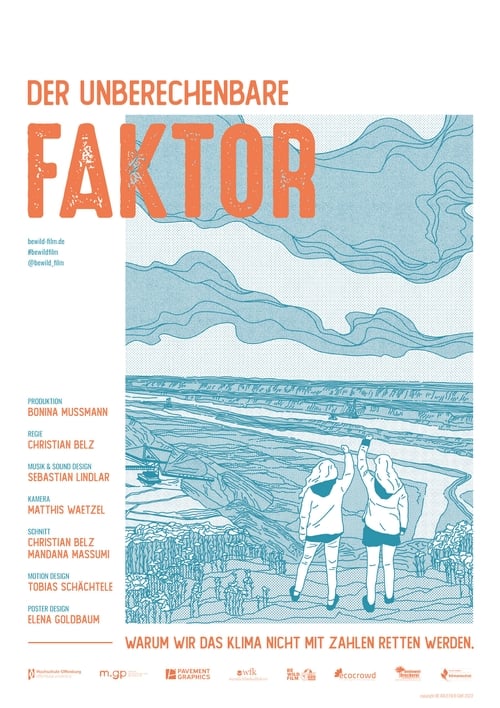
In today's climate debate, there is only one factor that cannot be calculated in climate models - humans. How can we nevertheless understand our role in the climate system and manage the crisis? Climate change is a complex global problem. Increasingly extreme weather events, rising sea levels, and more difficult living conditions - including for us humans - are already the order of the day. Global society has never faced such a complex challenge. For young people in particular, the frightening climate scenarios will be a reality in the future. For the global south, it is already today. To overcome this crisis, different perspectives are needed. "THE UNPREDICTABLE FACTOR" goes back to the origins of the German environmental movement, accompanies today's activists in the Rhineland in their fight against the coal industry and gives a voice to scientists from climate research, ethnology and psychology.
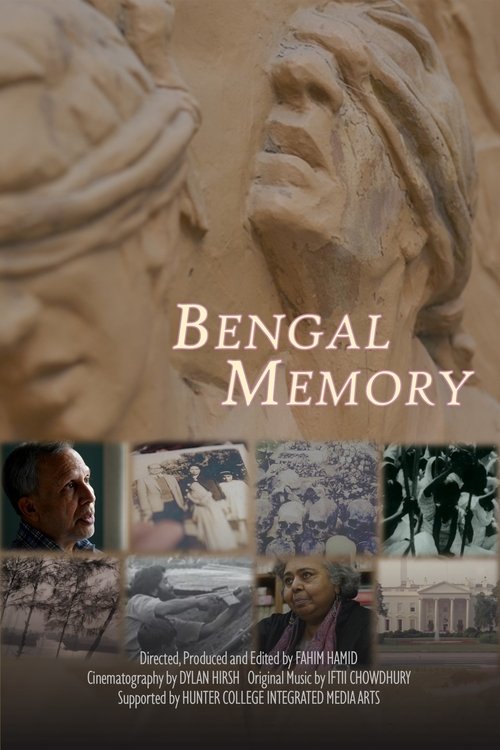
A Bangladeshi American undertakes a journey to learn about the liberation war in his native country, traveling there for the first time in nearly two decades, and uncovering the controversial role the U.S. played in a forgotten genocide that occurred there over 50 years ago. From 1971 to the present day, this is a story of Bangladesh’s independence, a family’s journey immigrating to America, and the cognitive dissonance of a person belonging to both homelands. Driven by interviews with his father and other family members, along with experts and witnesses, archival videos, declassified recordings, and animations, BENGAL MEMORY is a unique and untold oral history through a personal lens.
The Bangladesh cultural scene is dynamic, creative and on the up. With fashion designer Bibi Russell, art patron Nadia Samdani, the Britto Arts Trust and photographers Shahidul Alam and Munem Wasif.
2016
Daulatdia is an entire village in Bangladesh dedicated to prostitution. Every day, 1,600 trafficked, enslaved and abandoned women and girls sell themselves for £2 a time. In the midst of the trade live 300 children, many born in the village. Some will be groomed to be the future of the business like their mothers and grandmothers. With education programmes and support provided by Save The Children, a few may find their way out.