2021
A documentary that details the process of restoring 270 of the 520 lost films of pioneering director Georges Méliès, all orchestrated by a Franco-American collaboration between Lobster Films, the National Film Center, and the Library of Congress.
2023
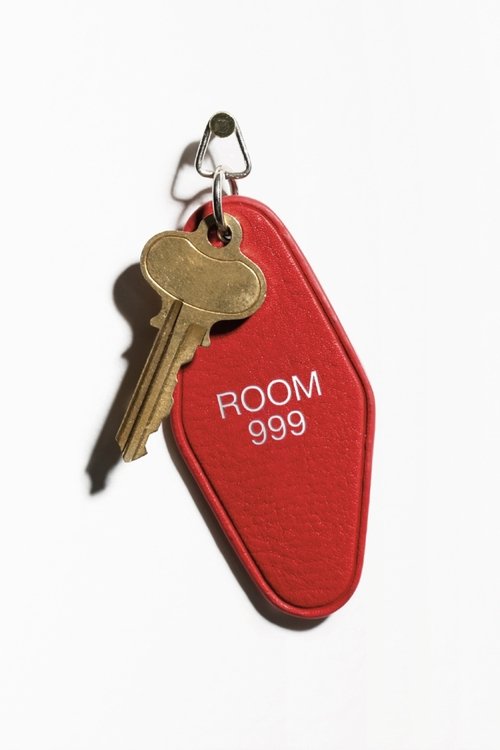
In 1982, Wim Wenders asked 16 of his fellow directors to speak on the future of cinema, resulting in the film Room 666. Now, 40 years later, in Cannes, director Lubna Playoust asks Wim Wenders himself and a new generation of filmmakers (James Gray, Rebecca Zlotowski, Claire Denis, Olivier Assayas, Nadav Lapid, Asghar Farhadi, Alice Rohrwacher and more) the same question: “is cinema a language about to get lost, an art about to die?”
2022
How could the Cannes Film Festival become the biggest cinema event in the world? For 75 years, Cannes has succeeded in this prodigy of placing cinema, its sometimes paltry splendors but also its requirements of great modern art, at the center of everything, as if, for ten days in May, nothing was more important than it. This film tells how Cannes has become the largest film festival in the world by opening up to cinematic modernity while never forgetting that cinema remains a performing art, a popular art.
2016
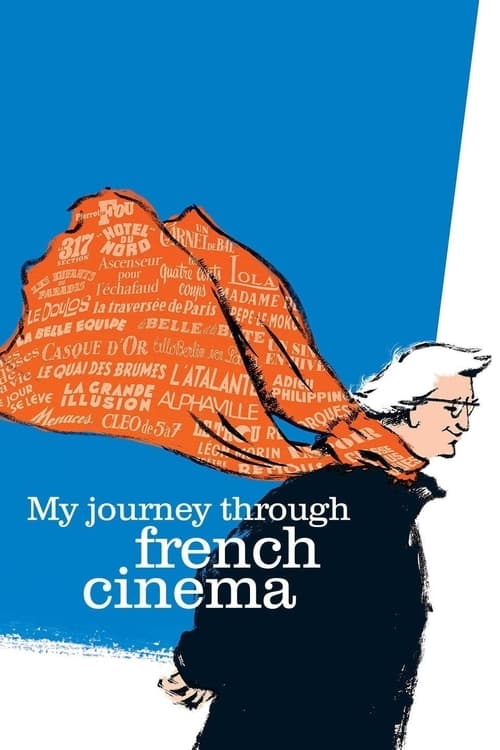
Famous French director Tavernier tells us about his fantastic voyage through the cinema of his country.
2006
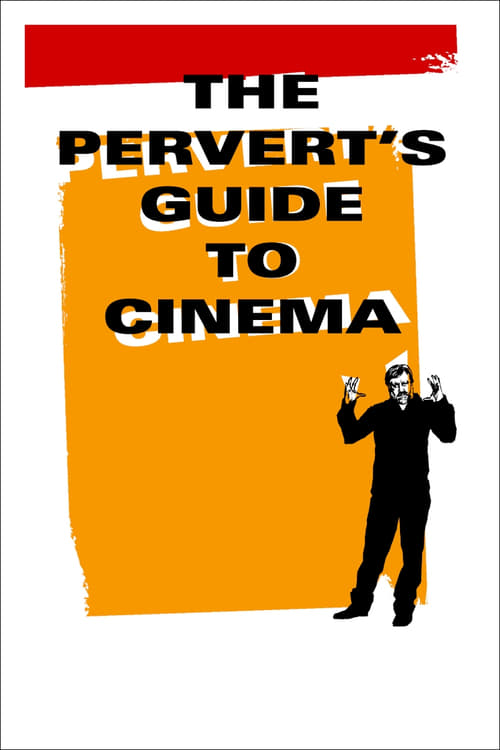
A hilarious introduction, using as examples some of the best films ever made, to some of Slovenian philosopher and psychoanalyst Slavoj Žižek's most exciting ideas on personal subjectivity, fantasy and reality, desire and sexuality.
2019
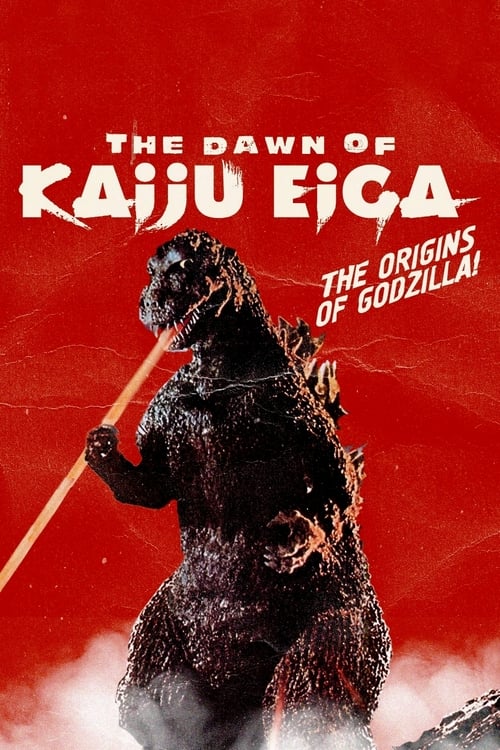
Japan, 1954. A legend emerges from the ashes of Hiroshima and Nagasaki, devastated by atomic bombs in 1945. The creature's name is Godzilla. The film that tells its story is the first of kaiju eiga, the giant monster movies.
1970
A documentary about Fassbinder and the early years of the legendary Antiteater, the group he was a member/leader of. You can here see and hear some of the actors he was going to use in his movies for the next years. The movie shows rehearsals for his play "The Coffeehouse," which also became a television movie, and you can watch unique footage from the 19th Film Festival in Berlin (1969) where "Love is Colder Than Death" was shown. As told in this documentary, his first feature movie was given a cold shoulder by many of the journalists and visitors at the festival. You can in "End of the Commune" watch Fassbinder and actor Ulli Lommel walk out on stage after the opening of "Love is Colder Than Death,” while a man in the audience is shouting "Out with the director!” In this documentary, Fassbinder also talks a lot about his father, who was a respectable doctor.
"Actor" is China's first documentary film to explore the virtues and skills of actors. The film takes the "Twenty-Two Big Movie Stars of New China" as the starting point. It will explore the film experience and artistic achievements of the older generation of artists, explore their insights and thinking about the profession of actors for more than half a century, and pay tribute to the century-old Chinese film with the classic film images they created.