1963
Stop for Bud is Jørgen Leth's first film and the first in his long collaboration with Ole John. […] they wanted to "blow up cinematic conventions and invent cinematic language from scratch". The jazz pianist Bud Powell moves around Copenhagen -- through King's Garden, along the quay at Kalkbrænderihavnen, across a waste dump. […] Bud is alone, accompanied only by his music. […] Image and sound are two different things -- that's Leth's and John's principle. Dexter Gordon, the narrator, tells stories about Powell's famous left hand. In an obituary for Powell, dated 3 August 1966, Leth wrote: "He quite willingly, or better still, unresistingly, mechanically, let himself be directed. The film attempts to depict his strange duality about his surroundings. His touch on the keys was like he was burning his fingers -- that's what it looked like, and that's how it sounded. But outside his playing, and often right in the middle of it, too, he was simply gone, not there."
2023
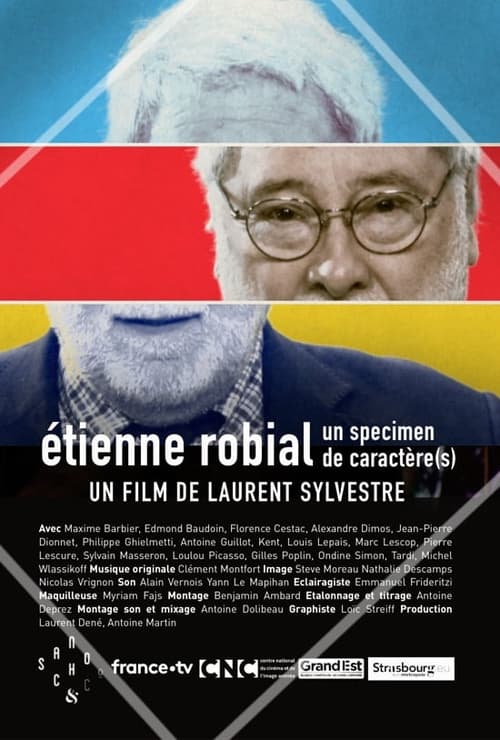
Documentary on the French graphic and visual artist and designer, editor, artistic director, and teacher who is known for his widely-used fonts.
2024
1974
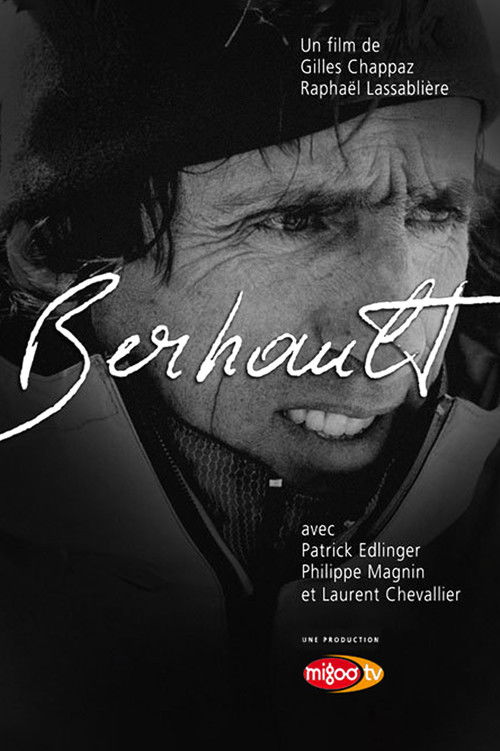
A study of the psychology of a champion ski-flyer, whose full-time occupation is carpentry.
Documentary portrait of the poet Karla Erbová is a confession of a creative personality who, despite many twists and turns in life, remains true to her ideals and moral values. We witness the final year of the author's life, during which, even at the age of ninety, she continues to engage in public appearances and, above all, actively works on her craft. Through letters that Erbová wrote to her friend, the film offers an intimate, often self-deprecating reflection on old age, solitude, and relationships with loved ones, as well as an indomitable faith in poetry. The film "Ulita" not only highlights the pivotal moments of her life but also serves as a sociological exploration of the lives of the oldest generation.
2008
1953
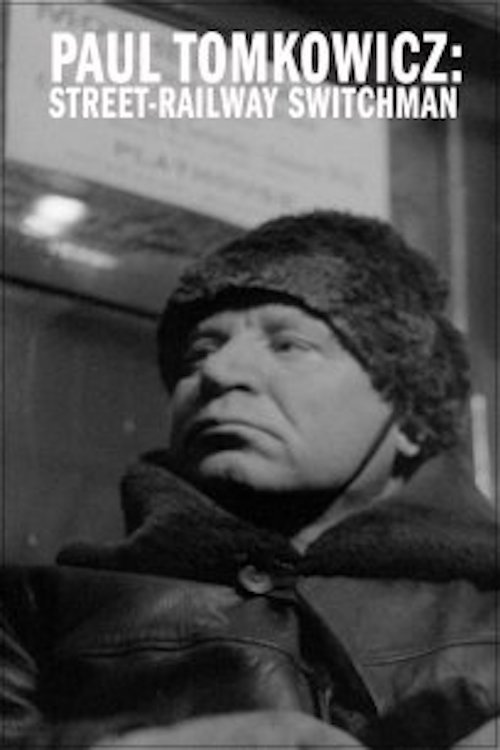
A self-narrated portrait of a Polish immigrant in Winnipeg whose unglamorous job keeping streetcar switches working reveals dignity, resilience, and pride in everyday labor.