1938
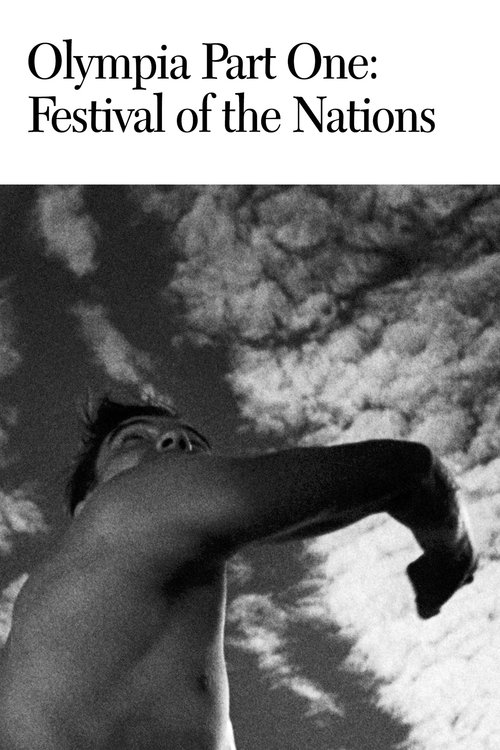
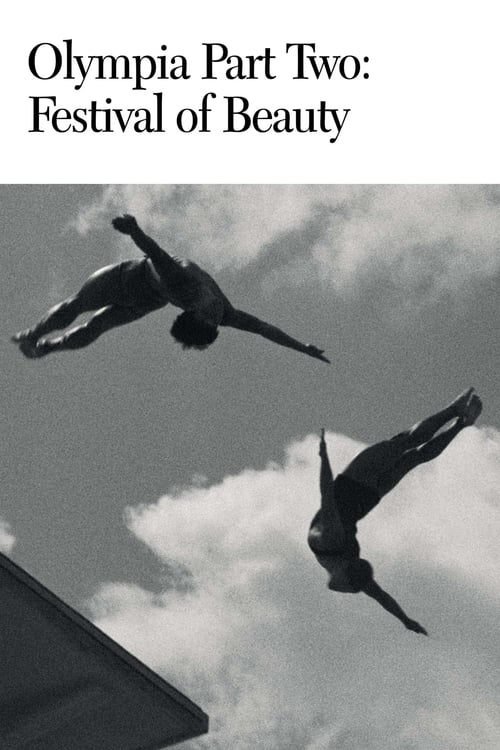
Starting with a long and lyrical overture, evoking the origins of the Olympic Games in ancient Greece, Riefenstahl covers twenty-one athletic events in the first half of this two-part love letter to the human body and spirit, culminating with the marathon, where Jesse Owens became the first track and field athlete to win four gold medals in a single Olympics.
2015
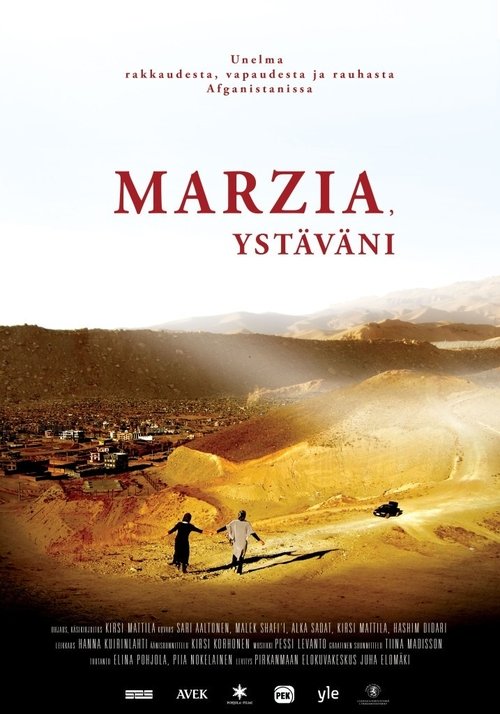
Marzia, My Friend is the story of an Afghan woman in her twenties, who like all young people dreams of love, freedom and an interesting job. She dreams of peace and independence, but because she lives in Afghanistan, her dreams are revolutionary. Ultimately Marzia’s story becomes a symbol of the wider struggle of Afghan women: it is about the right to make decisions about your own life. The film follows Marzia’s life from spring 2011 to the end of 2014, when international troops were due to leave Afghanistan.
1936
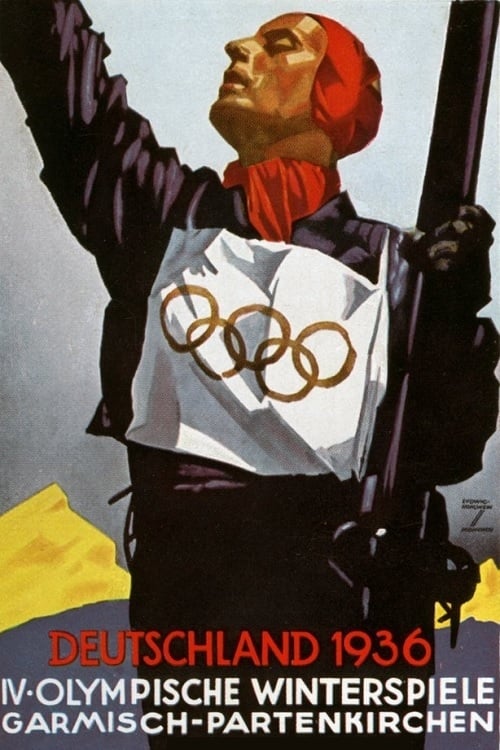
This Nazi propaganda film covers the 1936 Winter Olympics that were held in Germany.
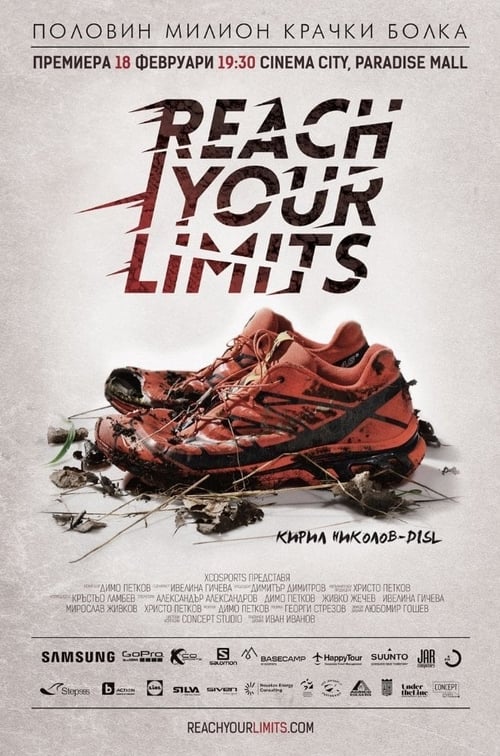
One of the best Bulgarian mountain runners – Kiril Nikolov, known as Disl, attempted to set a new record – to run through the longest and legendary Bulgarian mountain route – 600 km from the mountain peak of Kom on the west border to cape Emine on the Black Sea coast, in less than 5 days. Through steep mountain paths, pouring rain, and sticky mud, the glorious adventure takes him beyond the barriers of his own consciousness, facing hidden fears, pain and exhaustion. Tо the point where he has to make a tough choice – to quit or to push his will to the ultimate challenge, beyond his own limitations.
2006
A documentary of the German national soccer team’s 2006 World Cup experience that changed the face of modern Germany.
2021
2002
Part two of Leni Riefenstahl's monumental examination of the 1938 Olympic Games, the cameras leave the main stadium and venture into the many halls and fields deployed for such sports as fencing, polo, cycling, and the modern pentathlon, which was won by American Glenn Morris.