2005
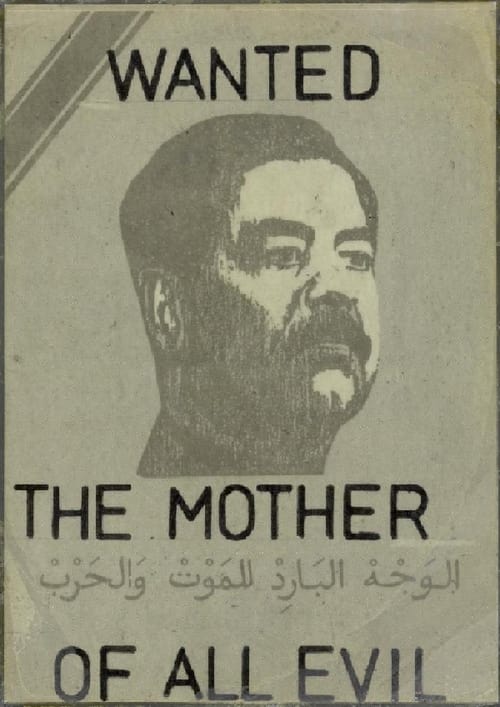
Documents a 40-year relationship between Saddam Hussein and the U.S., through accounts given by those who were witness to and participants in those years of violence. It is about a man and a superpower who used each other, in a marriage of convenience between strange bed-fellows. Includes selected archival footage of Saddam's beginnings, filmed to immortalise his exploits, at 20 years of age, in 1959. Includes also images from the film, Saddam Hussein, le maître de Baghdad, directed by Michel Vuillermet (Zarafa Films)
2020
Following the tradition of military service in her family, Alene Duerk enlisted as a Navy nurse in 1943. During her eventful 32 year career, she served in WWII on a hospital ship in the Sea of Japan, and trained others in the Korean War. She became the Director of the Navy Nursing Corps during the Vietnam War before finally attaining the rank of Admiral in the U.S. Navy. Despite having no other women as mentors (or peers), Admiral Duerk always looked for challenging opportunities that women had not previously held. Her consistently high level of performance led to her ultimate rise to become the first woman Admiral.
2018
The Tet Offensive during the Vietnam War, the Civil Rights Movement, the May events in France, the assassinations of Martin Luther King and Robert F. Kennedy, the Prague Spring, the Chicago riots, the Mexico Summer Olympics, the presidential election of Richard Nixon, the Apollo 8 space mission, the hippies and the Yippies, Bullitt and the living dead. Once upon a time the year 1968.
2024
A young filmmaker accompanies his grandfather– a veteran of the Vietnam War– to Fairbanks, to dedicate his unit flag to a new generation of helicopter pilots.
1970
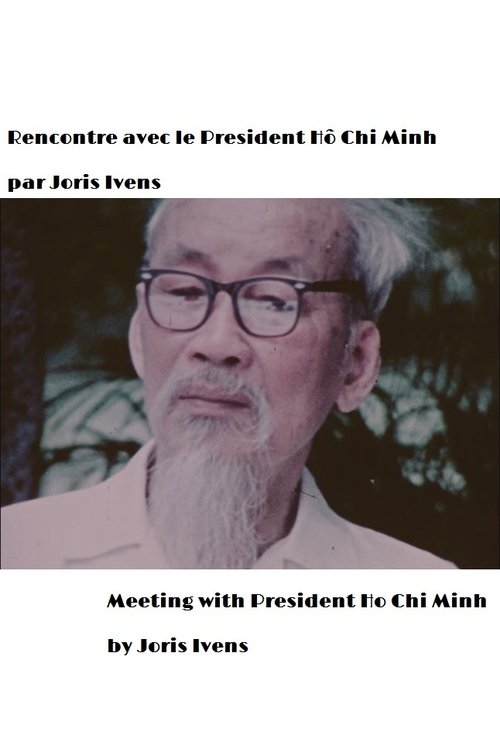
This brief interview film, released in 1970, is one of the last given by Ho Chi Minh, and one of the rare ones in colour.
2017
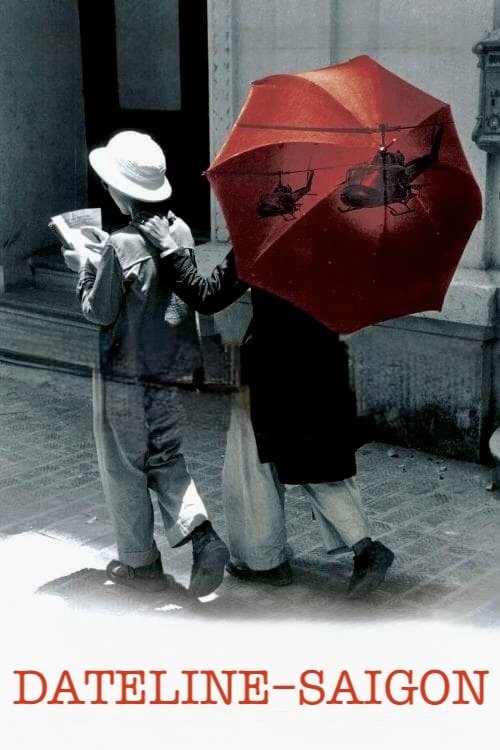
How does a nation slip into war? Dateline-Saigon profiles the controversial reporting of five Pulitzer Prize-winning journalists -The New York Times' David Halberstam, the Associated Press' Malcolm Browne, Peter Arnett, and legendary photojournalist Horst Faas, and UPI's Neil Sheehan -- during the early years of the Vietnam War as President John F. Kennedy is secretly committing US troops to what is initially dismissed by some as 'a nice little war in a land of tigers and elephants.' 'When the government is telling the truth, reporters become a relatively unimportant conduit to what is happening,' Halberstam tells us. 'But when the government doesn't tell the truth, begins to twist the truth, hide the truth, then the journalist becomes involuntarily infinitely more important.'
2011
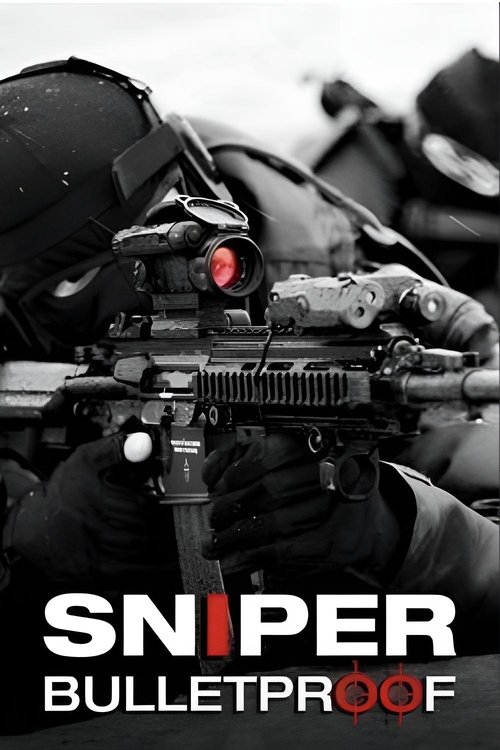
Sniper: Bulletproof deconstructs and analyzes the little-known sniper events that have occurred when no other course of action was possible. The people who planned the takedowns, or pulled the trigger, share their techniques and bring to light the many factors that had to be considered in each mission: terrain, wind speed, temperature, elevation changes... all are critical to taking out targets considered bulletproof. A sniper has one chance, one breath, to rise to the occasion and save the day... if they miss, there may never be another opportunity. As these never told before stories unfold, the viewer also learns about the high-tech gear each sniper carries on their classified missions.
1968
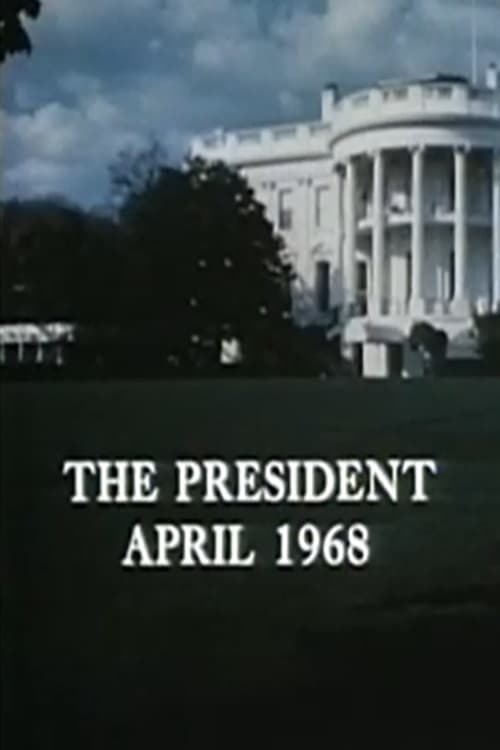
The film captures the pivotal events surrounding President Lyndon Johnson's historic address on March 31st, focusing on his decision to halt bombing in North Vietnam and his surprising announcement not to seek re-election. The speech aimed for peace negotiations amidst the Vietnam War, leading to diplomatic breakthroughs with North Vietnam. It also chronicles the aftermath, including societal unrest following Martin Luther King Jr.'s assassination and Johnson's efforts to maintain national unity.