2022
David Attenborough brings to life, in unprecedented detail, the last days of the dinosaurs. Palaeontologist Robert DePalma has made an incredible discovery in a prehistoric graveyard: fossilised creatures, astonishingly well preserved, that could help change our understanding of the last days of the dinosaurs. Evidence from his site records the day when an asteroid bigger than Mount Everest devastated our planet and caused the extinction of the dinosaurs. Based on brand new evidence, witness the catastrophic events of that day play out minute by minute.
2017
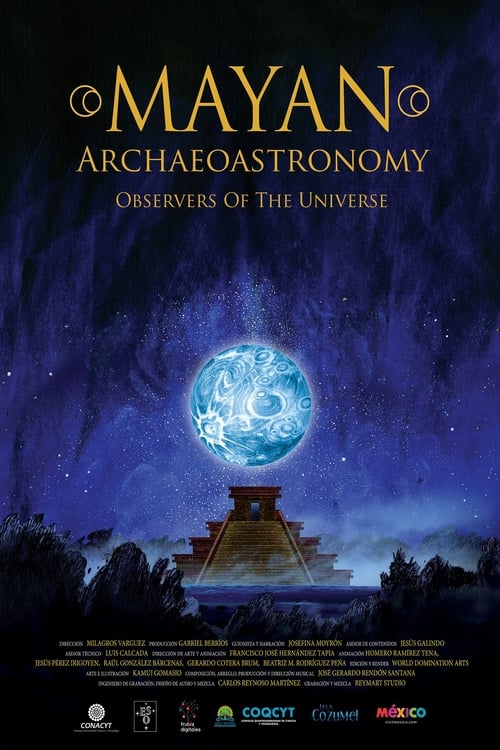
In a feast of colours and sounds, Mayan Archaeoastronomy: Observers of the Universe makes a tour of 6 Mayan temples: San Gervasio, Chichen Itzá, Uxmal, Edzná, Palenque and Bonampak where the spectator dives into a Mayan world of knowledge about the importance of the orientations of its temples in relation to the movement of some stars like the Sun, the Moon and Venus.
2023
In an age when misinformation, alternative facts, and conspiracy theories have become mainstream, UFOs have risen to become one of the most-talked about pop culture phenomena. With all of this noise, how can we expect anyone to know how much of this is true? What is in our skies? What do we know, and how do we know it? And most importantly: Are we being visited?
2021
China's FAST (Five-hundred-meter Aperture Spherical Telescope) can detect radio signals emitted tens of thousands of light-years away, and engineers have faced unprecedented challenges in constructing a giant radio receptor nestled amid mountains. From novel technological innovations to architectural challenges, we follow every step that gave birth to the biggest radio telescope ever constructed.
2008
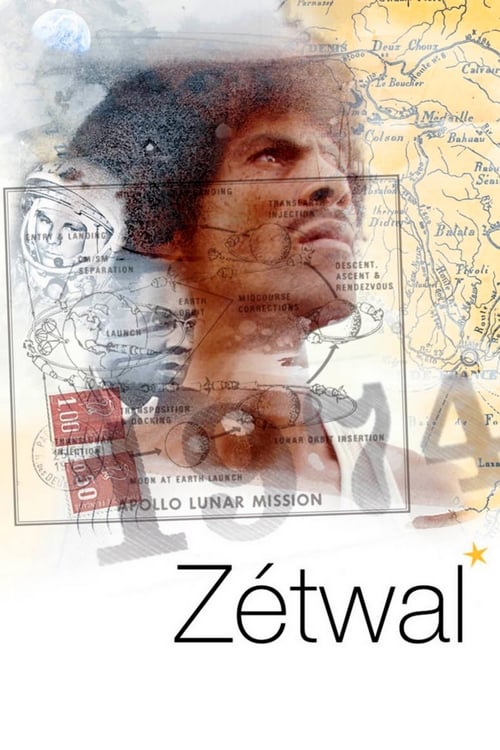
Martinique Island, 1974. Inspired by the writings of the Martiniquais poet and politician Aimé Césaire (1913-2008), the dreamer Robert Saint-Rose, known as Zétwall (Star in Creole), aspires to be the first Frenchman to step on the lunar surface.
2019
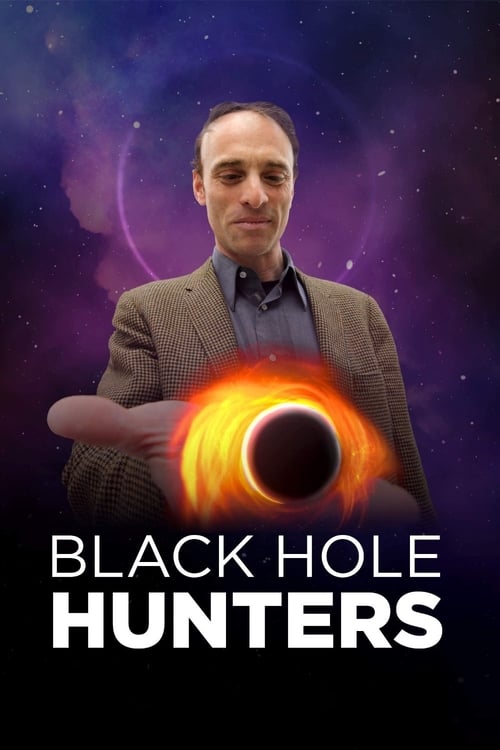
A team of international scientists attempt to document the first-ever image of a black hole.
2001
214 million years ago a gigantic meteorite broke up and impacted Earth. 65 million years ago, the impact that killed the dinosaurs occurred where the country of Belize stands today. 200 thousand years ago early humans were walking and died when they were hit by a 40 meter wide meteorite hit South Africa creating a 1.4 km wide crater. This meteorite fragment, the largest ever found hit Namibia 80 000 years ago and more recently a major impact occurred in Toungouska, Russia in 1908. Every year 10 000 tons of meteoritic matter fall onto Earth in much smaller but not necessarily less influential pieces. This film will explore how the impact of these meteorites big and small through the ages have changed our world and what they brought from outer space with them that may have been the seed of life itself on Earth.
Today we cut the granite with diamond-cut blade as is one of the most difficult rocks to cut due to its hardness.How could the egyptians, if it was them, have achieved those shapes in the sculpture sphinx of Sénousret made of Migmatite material, which is harder than granite? What was that extraordinary tool that made this possible? This example is what disputes all the official theories of egyptology. Dozen of questions now arise. Did the egyptians really have an advance technology that was losted over time? The answer is in this movie.Lucky is to understand that in 2019, we have a chance to learn how the Great Pyramid was built, who built it, and what its hidden behind it. Let yourself go and come discover the biggest mystery of humanity, the New Great Story!