1920
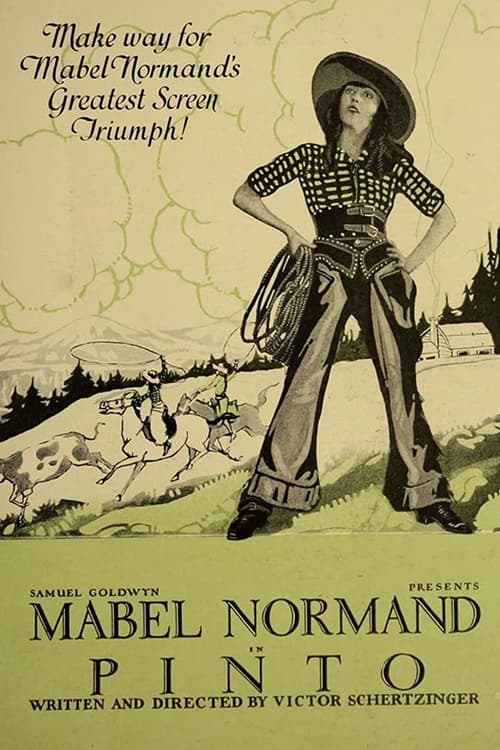
When Pinto reaches her eighteenth birthday, the five wealthy Arizonans who adopted her upon the death of her parents decide that ranch life will never make a lady of her. Their old friend Pop Audry, formerly of Arizona and now a member of New York society, agrees to provide Pinto with the necessary education. Accordingly, Pinto and her cowboy nursemaid Looey are dispatched to New York where they lose Audry's address. ...
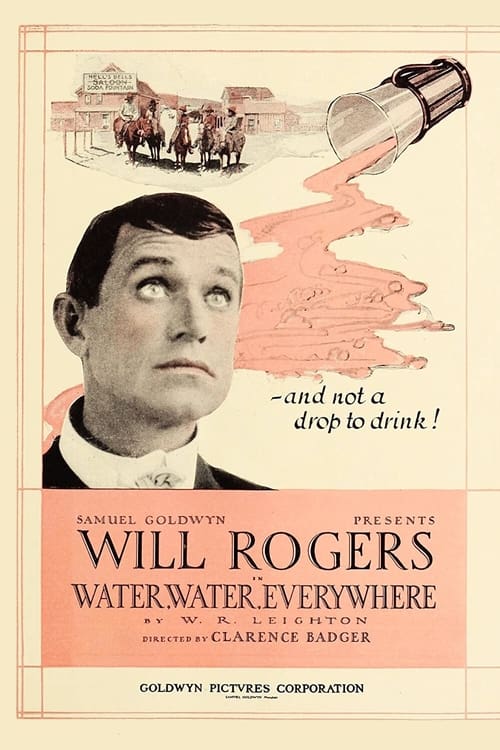
Cowboy Billy Fortune is in love with Hope Beecher, who prefers Billy's friend Ben Morgan, but resists his advances because of his fondness for drink. Hope's discontent is echoed by the town wives' public outcry against drink. To divert their interest, Billy is nominated to make love to their leader, widow Fay Bittinger, who has already disposed of four husbands....
1922
"'Boxcar' Simmons, a tramp, represents himself as a mining millionaire in a small town. The population accepts him at his own valuation, and two of the town's 'slickers' make desperate efforts to 'take him for his roll.' One of their schemes is to sell him a worthless ranch, but he turns the tables on them by making them believe that the ranch is a veritable bed of silver ore, and then, after they buy it, he presents the major part of the proceeds to the girl who owns the place and with whom he had fallen in love." (Moving Picture World, 24 Jun 1922, p. 736.)
1916
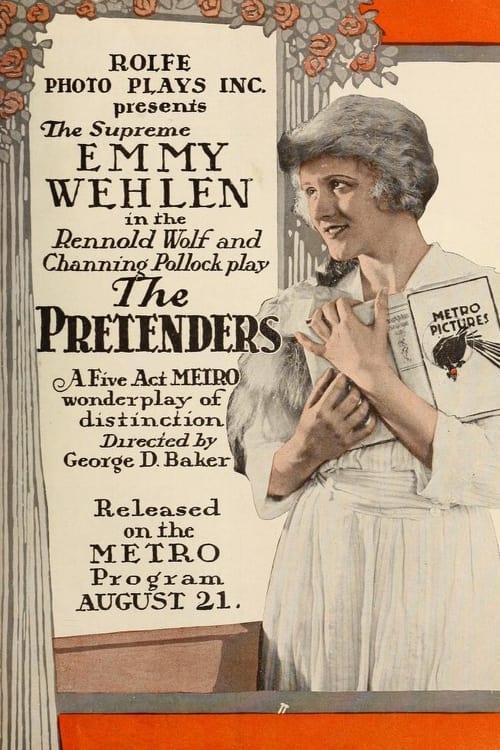
Upon striking oil on his farm, Silas T. Pettingill (Charles Eldridge) moves to Park Avenue at the behest of his social-climbing wife Maria (Kate Blancke) and daughter Helen (Emmy Wehlen). But like Jiggs in the comic strip, Pettingill never loses his common touch, and one evening he goes out on a toot with his new chauffeur Hubert Stanwood (Paul Gordon).
The story tells of the adventures of an unusual young duke, whose father, the old Grand Duke of Kiev, coveted the wife of Count Dardinilis, his colonel of Huzzars; of the old Grand Duke's plot to get her for himself; of her accidental death at the hands of his Cossacks, and of the colonel's escape with his little daughter to America. The young Grand Duke, now an orphan, comes to America to complete his education.
1917
Short comedy
1913
Rooly, Pooly and Dooly were "picture sandwiches," but hardly shining lights, even in that capacity. Consequently they were "canned" by the management. A brilliant idea; one would play the wild man in the village square, a real live show of their own. Rooly and Pooly then basked in the society of fair country belles, but Dooly at length was rescued by Miss Smart, looking for excitement. She was not disappointed.
1915
This ceremony requires greenbacks but the groom came up short.