2013
The Uprising shows us the Arab revolutions from the inside. It is a multi- camera, first-person account of that fragile, irreplaceable moment when life ceases to be a prison, and everything becomes possible again.
1991
“Forgetting is complicit in recidivism,” says the commentary of this film dedicated to the demonstration of October 17, 1961 in Paris and the savage repression that followed. 11,538 Algerians will be arrested, which is reminiscent of the great Vel d’hiv roundup of July 16 and 17, 1942 where 12,884 Jews were arrested. The film brings together eyewitnesses including a priest, a peacekeeper, a couple of workers sympathetic to the Algerian cause, a lawyer, Paris municipal councilors including Claude Bourdet (then one of the leaders of the PSU and journalist to France Observateur), Gérard Monatte, the future police union leader, and the editor and writer François Maspero.
1960
A sublime documentary on childhood and bereavement that’s one of several shorts the filmmaker completed while working in Algeria for Georges Derocles’s company Les Studios Africa, for whom he would shortly make his breakthrough feature The Olive Trees of Justice.
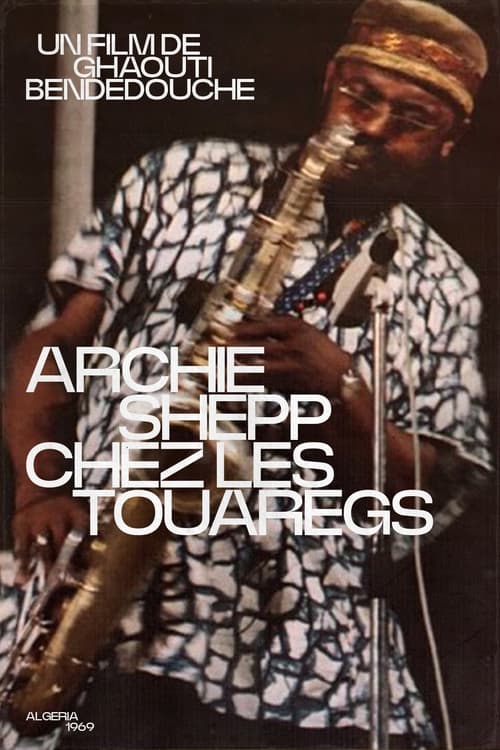
1969
2015
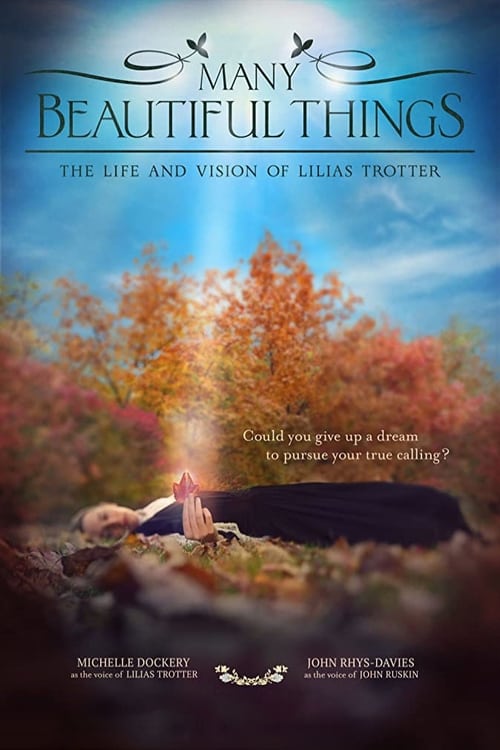
In an age when women were incapable of joining the artistic dialogue, Lilias Trotter managed to win the favour of celebrated critics.
2001
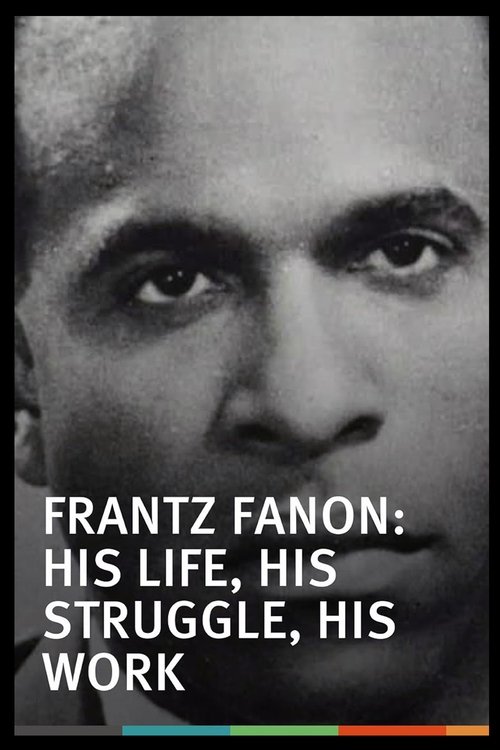
It is the evocation of a life as brief as it is dense. An encounter with a dazzling thought, that of Frantz Fanon, a psychiatrist of West Indian origin, who will reflect on the alienation of black people. It is the evocation of a man of reflection who refuses to close his eyes, of the man of action who devoted himself body and soul to the liberation struggle of the Algerian people and who will become, through his political commitment, his fight, and his writings, one of the figures of the anti-colonialist struggle. Before being killed at the age of 36 by leukemia, on December 6, 1961. His body was buried by Chadli Bendjedid, who later became Algerian president, in Algeria, at the Chouhadas cemetery (cemetery of war martyrs ). With him, three of his works are buried: “Black Skin, White Masks”, “L’An V De La Révolution Algérien” and “The Wretched of the Earth”.
2007
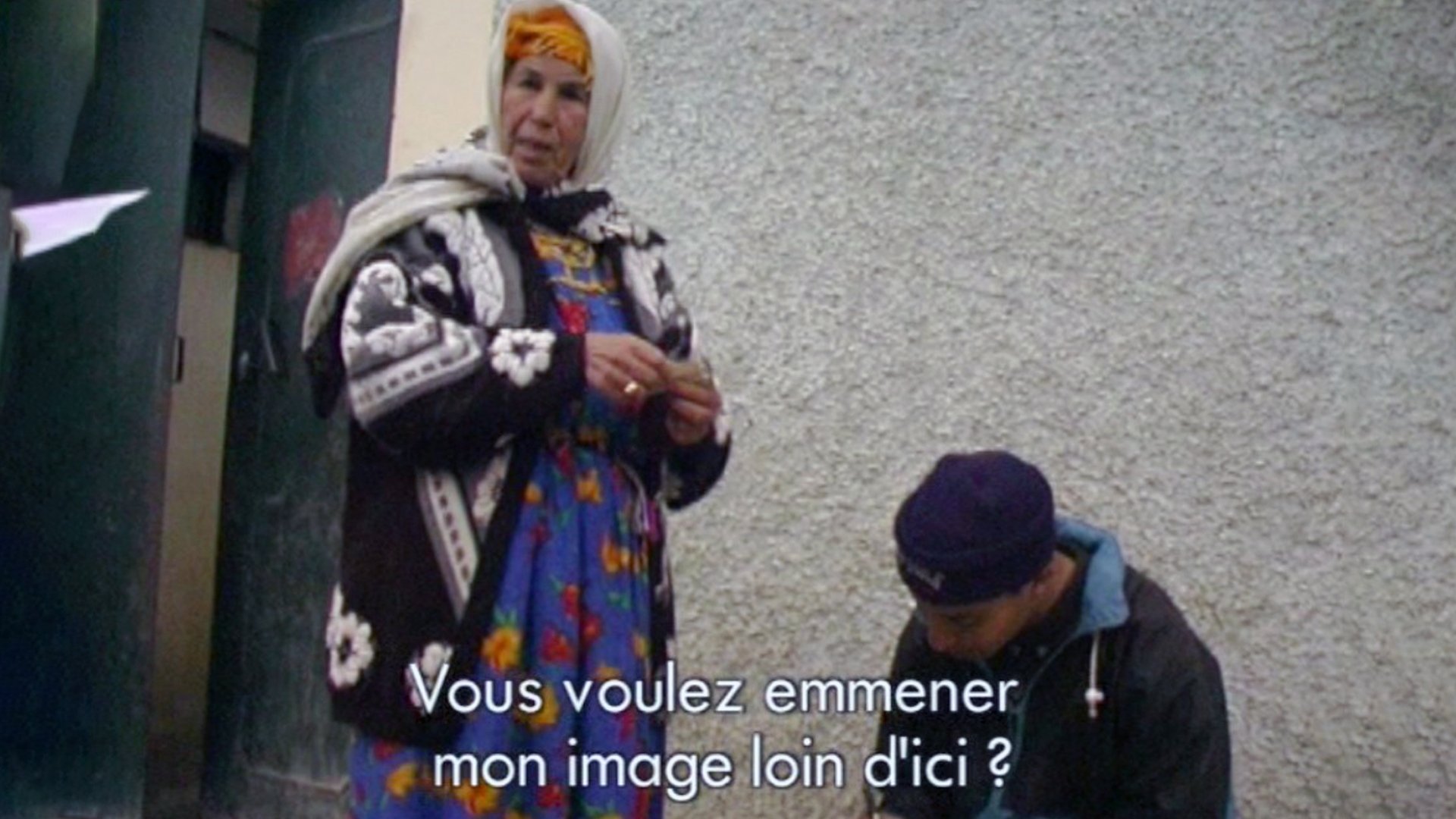
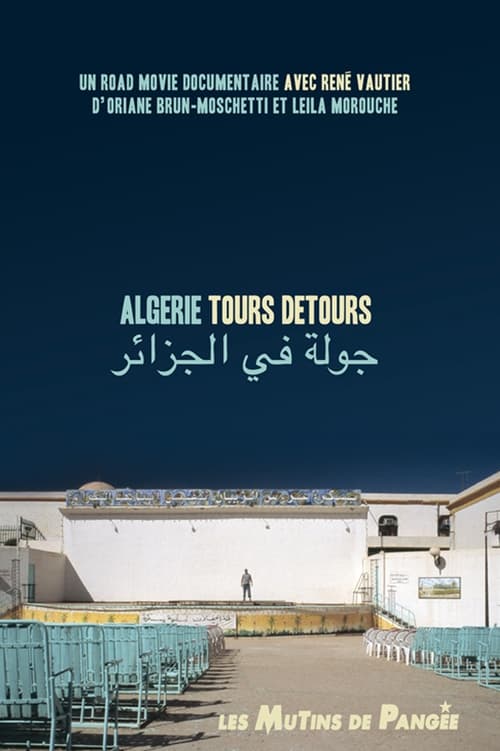
A documentary road movie with René Vautier In the aftermath of Algeria's independence, René Vautier, a militant filmmaker, considered "the dad" of Algerian cinema, set up the cine-pops. We recreate with him the device of itinerant projections and we travel the country in ciné-bus (Algiers, Béjaïa, Tizi Ouzou, Tébessa) to hear the voices of the spectators on the political situation, youth and living conditions of men and Of women today.
1995
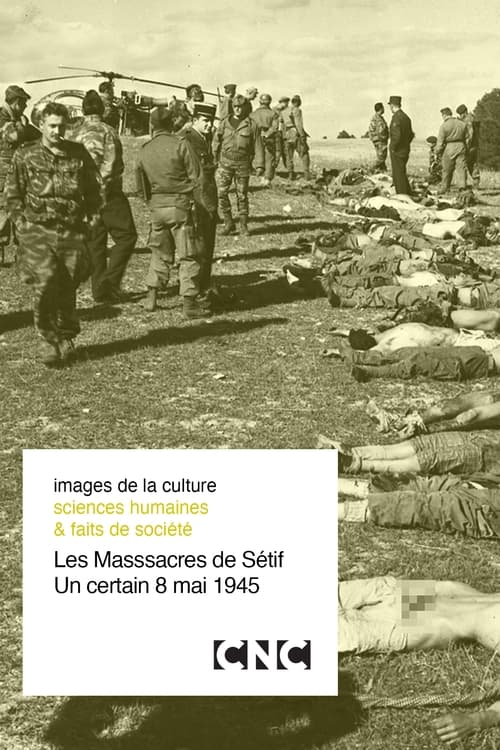
May 8, 1945, the day of victory over Nazism, is also a day of mourning. In Algiers, thanks to demonstrations for victory, the Algerian flag appears for the first time, thus claiming independence. But in Sétif, the standard bearer is shot dead at the head of the procession and a riot breaks out. The colonial massacre that followed would extend to all of Constantine. The commission of inquiry never delivered its conclusions and an amnesty law erased the traces of this savage repression. Fifty years later, the file is open.