1978
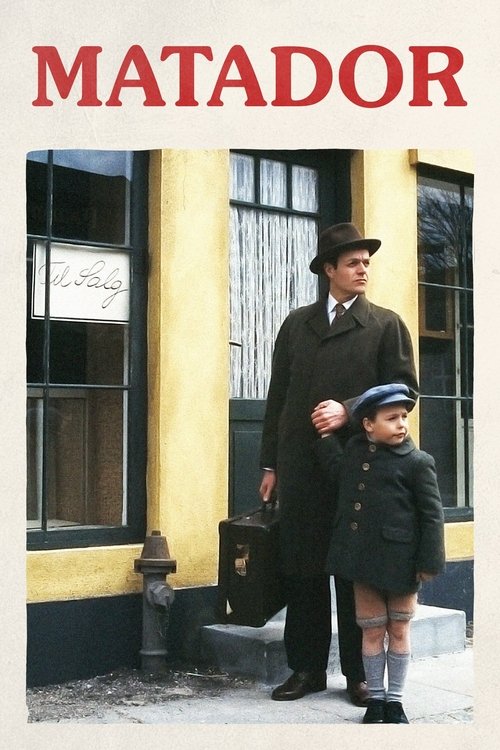
Matador is a Danish TV series produced and shown between 1978 and 1982. It is set in the fictional Danish town of Korsbæk between 1929 and 1947. It follows the lives of a range of characters from across the social spectrum, focusing specifically on the rivalry between the families of two businessmen: The banker Hans Christian Varnæs, an established local worthy, and social climber Mads Skjern, who arrives in town as the series opens. The name Matador was taken from the localised edition of the boardgame Monopoly, also the series' tentative English title. In addition, in contemporary Danish a "matador" is often used to describe a business tycoon, in the series referring to the character of Mads Skjern and his craftiness as a self-made entrepreneur. Directed by famed Danish film maker Erik Balling, Matador was the idea of author Lise Nørgaard who wrote the bulk of the episodes alongside Karen Smith, Jens Louis Petersen and Paul Hammerich. The series is one of the most well-known and popular examples of Danish television and represents the peak of longtime development of Danish TV drama by the public service channel Danmarks Radio. The series has become part of the modern self-understanding of Danes, partly because of its successful mix of melodrama and a distinct warm Danish humour in the depiction of characters, which were portrayed by a wide range of the most popular Danish actors at the time; but also not least because of its accurate portrayal of a turbulent Denmark from around the start of the Great Depression and through Nazi Germany's occupation of Denmark in World War II.
1983
2023
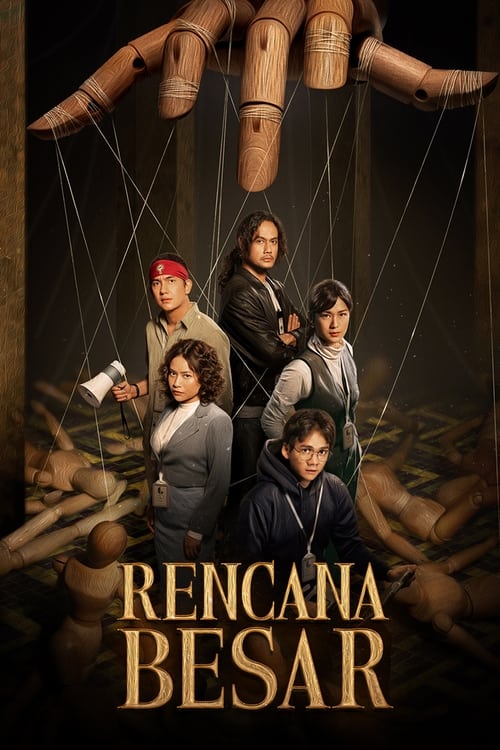
A bank lost 17 billion in money. Upon investigation, this theft was merely a door to reveal a more horrifying collapse of the bank, related to the 1998 monetary crisis and the upcoming presidential nomination.
Throughout the world, angry crowds are confronting heavily armed law enforcement forces. Journalist Paul Moreira immerses himself in demonstrations and interviews experts to shed light on the causes of this repressive shift.
2017
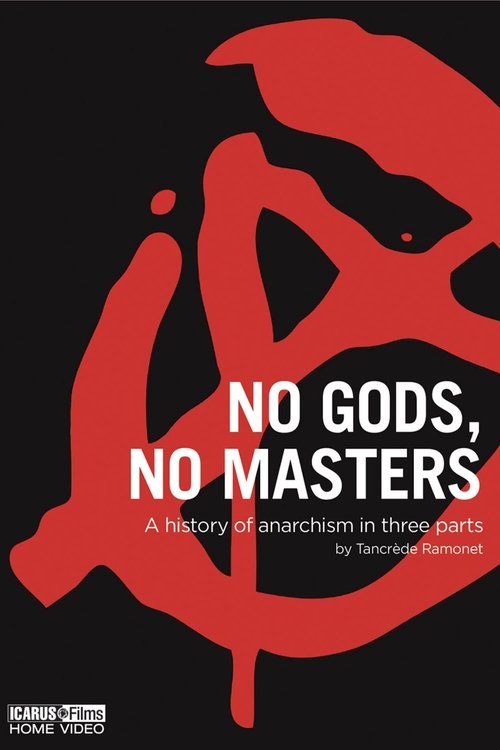
The story of Anarchism. By going back over the key events of the last two centuries of social history, the series reveals the origins and destiny of a political trend that has been fighting all gods and all masters for over 150 years.
1985
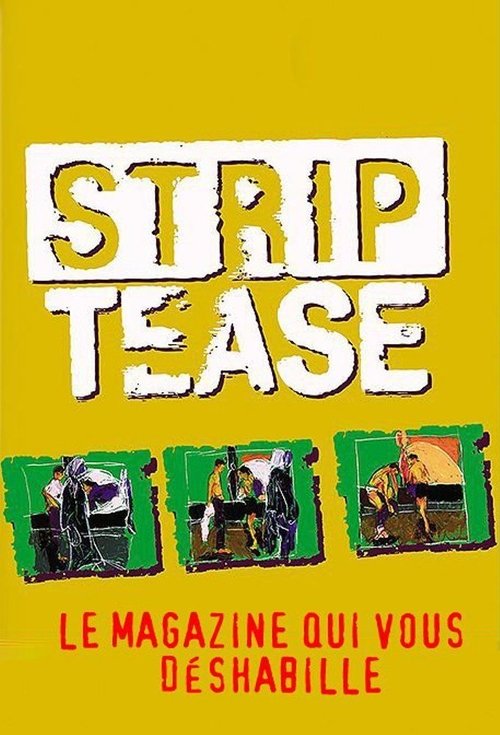
Strip-Tease was created by Jean Libon and Marco Lamensch. The aim of the creators was to produce documentary films of a new genre, in which the commentators take a back seat to let the protagonists have their say. The program mainly deals with excerpts from everyday life (family meals, washing up, the life of a farmer's wife). Viewers can thus recognize themselves in their daily intimacy.
2022
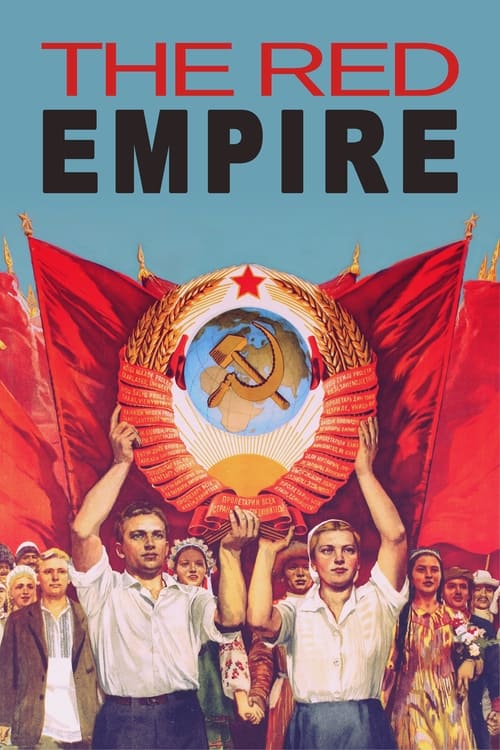
The story of an empire: From its founding in 1922 to its dissolution in 1991, the Soviet Union was shaped by revolutionary idealism, but also by oppression and decay. The USSR evolved from Stalinist terror through the Thaw under Khrushchev to political processes such as glasnost and perestroika under Gorbachev. Finally, in 1991, it collapsed.
1972