1951
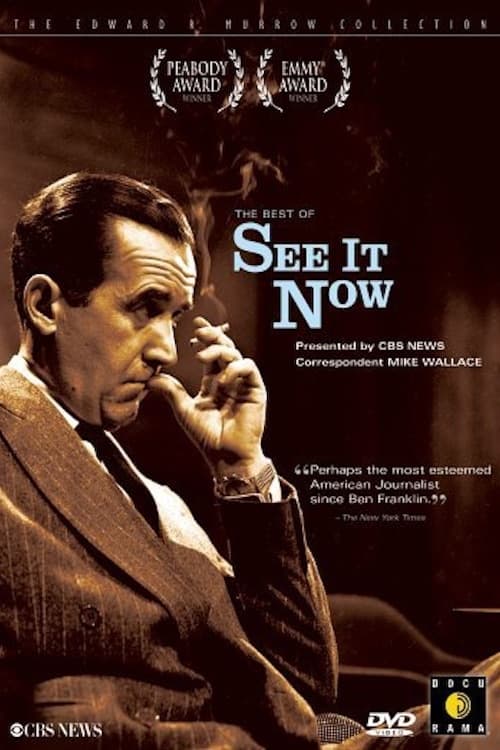
See It Now is an American newsmagazine and documentary series broadcast by CBS from 1951 to 1958. It was created by Edward R. Murrow and Fred W. Friendly, Murrow being the host of the show. From 1952 to 1957, See It Now won four Emmy Awards and was nominated three other times. It also won a 1952 Peabody Award, which cited its
2012
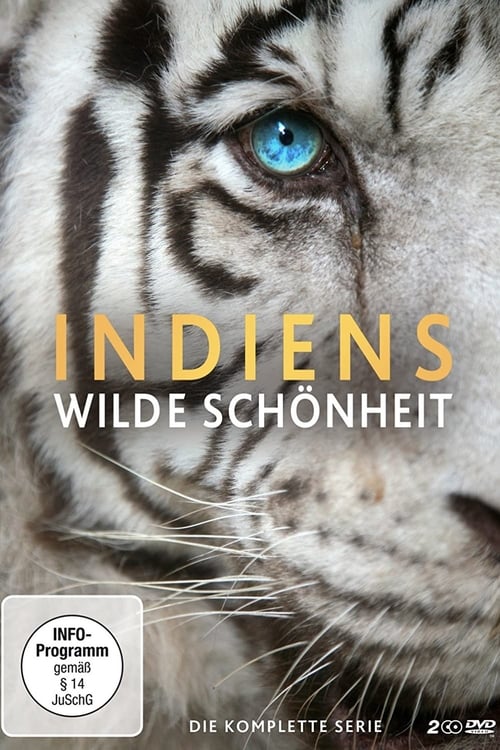
India - unique in its diversity and breathtakingly beautiful. The subcontinent is characterized by scenic, cultural and ethnic diversity. Despite growing space needs, there are efforts to preserve the wilderness through nature reserves and protected areas. So India still provides habitat for rare species such as the Bengal tiger or the Indian elephant. The 5-part series "India's wild beauty" leads to the most spectacular and beautiful regions and their inhabitants.
1997
Australian host Steve Irwin and his wife Terri run a wildlife refuge. Their shared passion is educating the world about wildlife, including the much feared crocodile and numerous venomous snakes. Steve's specialty is the capture and relocation of crocodiles. No animal appears too threatening to Steve, his true respect for animals is the foundation for everything he does.
2024
Three recent bull shark encounters in the heart of Sydney Harbor leave the city on edge. Shark attack survivor Paul de Gelder returns to the exact location where a bull shark nearly took his life to determine the cause for the spike in attacks.
2016
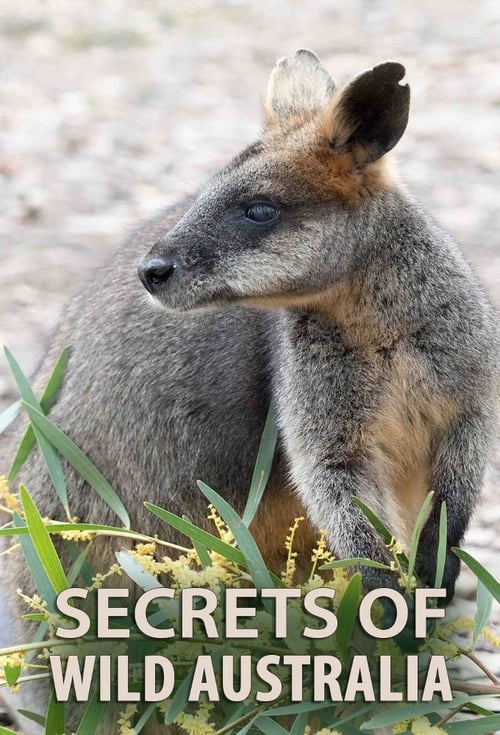
Dive into the secret and surprising lives of some of Australia's signature wildlife. From mini marsupials to flying foxes, join these extraordinary creatures thriving in the otherworldly landscapes of this astonishing island-continent.
2021
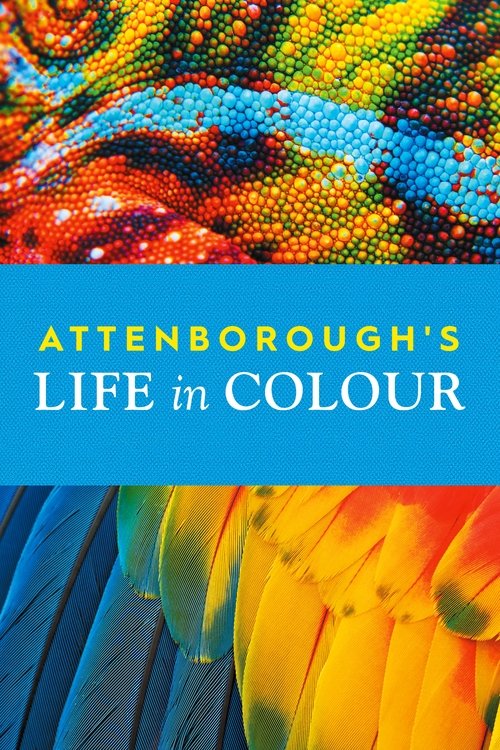
Exploring the vital role colour plays in the daily lives of many species.
2019
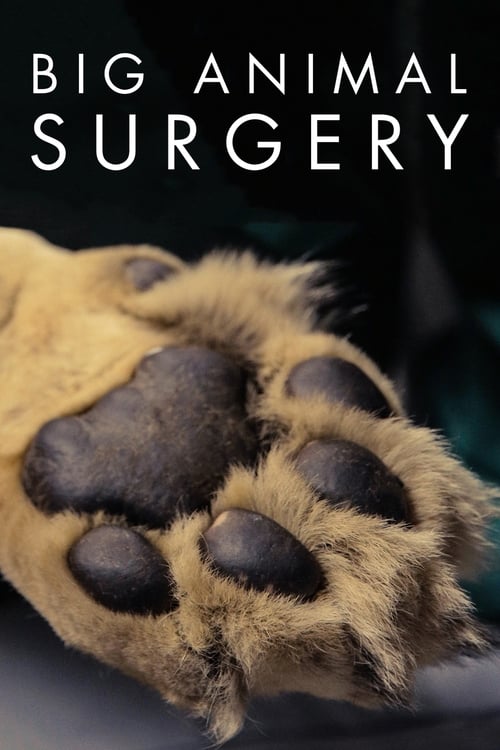
Dramatic life saving surgery.
2005
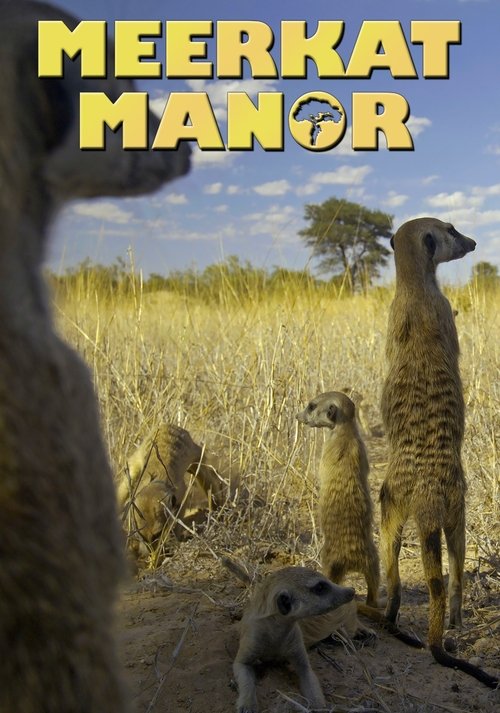
Meerkat Manor is a British television programme produced by Oxford Scientific Films for Animal Planet International that premiered in September 2005 and ran for four series until its cancellation in August 2008. Blending more traditional animal documentary style footage with dramatic narration, the series told the story of the Whiskers, one of more than a dozen families of meerkats in the Kalahari Desert being studied as part of the Kalahari Meerkat Project, a long-term field study into the ecological causes and evolutionary consequences of the cooperative nature of meerkats. The original programme was narrated by Bill Nighy, with the narration redubbed by Mike Goldman for the Australian airings and Sean Astin for the American broadcasts. The fourth series, subtitled The Next Generation, saw Stockard Channing replacing Astin as the narrator in the American dubbing.