1982
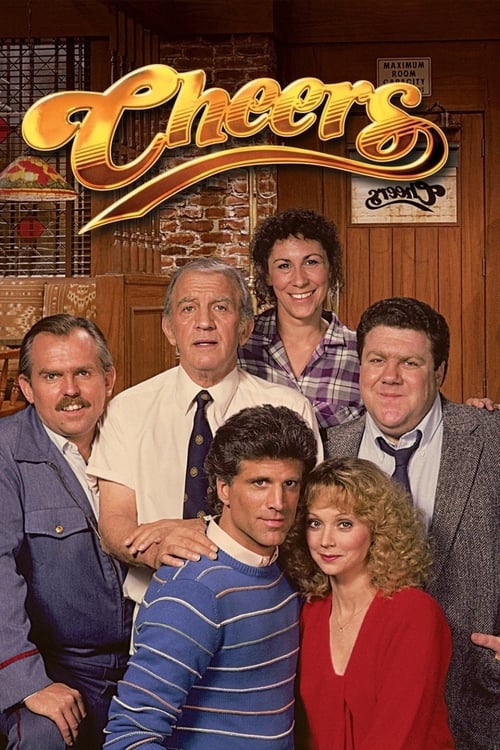
The story about a blue-collar Boston bar run by former sports star Sam Malone and the quirky and wonderful people who worked and drank there.
1972
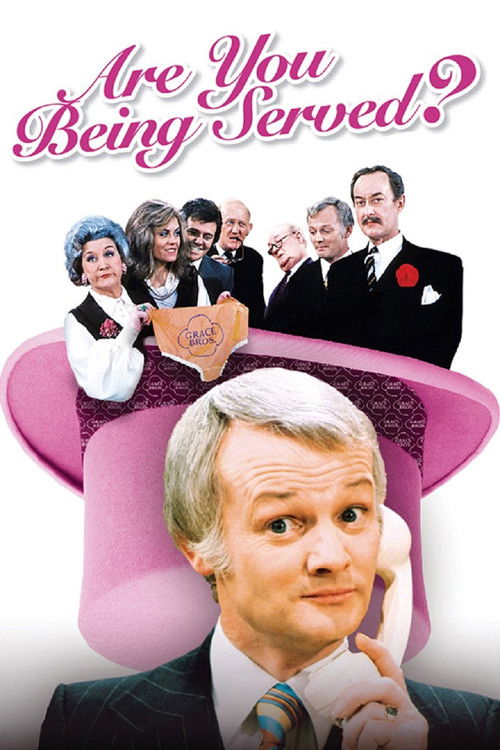
This comedy series, which follows the exploits of employees at London's fictional "Grace Brothers" department store, is full of sexual innuendo, slapstick, visual gags, and double entendres. Much of the show's humor parodies Britain's class system, and many of the show's characters are based on stereotypes of the period, including the effeminate Mr. Humphries and the rich, but stingy, store owner.
1992
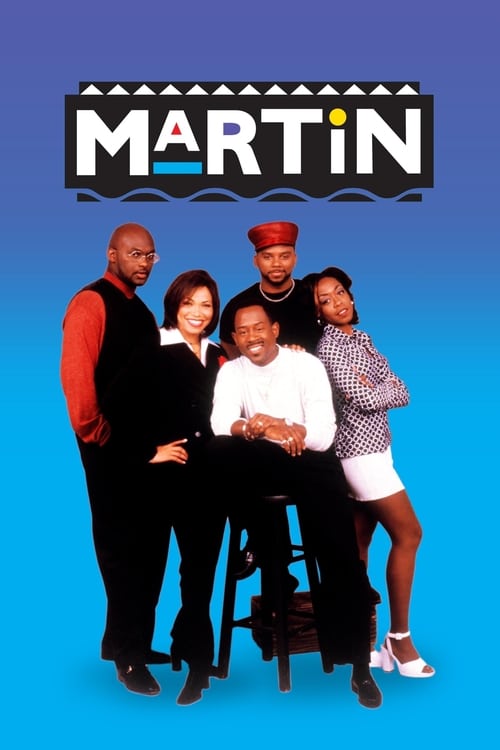
Sassy sitcom centering on radio and television personality Martin Payne. Series focuses on his romantic relationship with girlfriend Gina, her best friend Pam and escapades with best friends Tommy and Cole.
1973
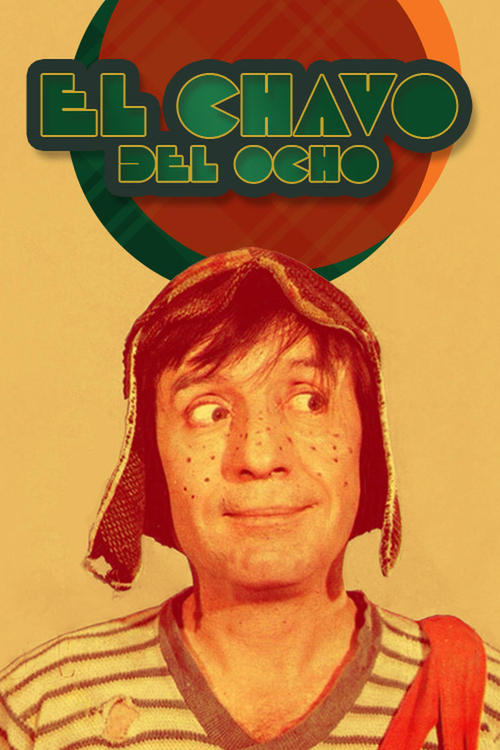
The mishaps of Chavo, an 8-year-old orphan boy who lives in a village. Together with Quico, Chilindrina, Ñoño and La Popis, Chavo experiences a series of humorous entanglements.
1981
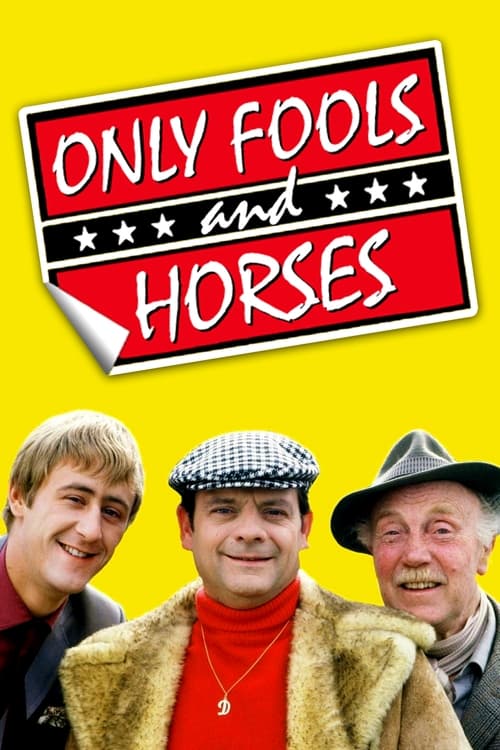
Only Fools and Horses.... Is a British sitcom created and written by John Sullivan. Seven series were originally transmitted on BBC One from 1981 to 1991, with sixteen sporadic Christmas specials aired until 2003. In working-class Peckham in south-east London, ambitious market trader Derek 'Del Boy' Trotter and his younger half-brother Rodney, explore their highs and lows in life, in particular their attempts to get rich. Initially not an immediate hit and receiving little promotion early on, it later achieved consistently high ratings, and the 1996 episode "Time on Our Hands" (originally billed as the series finale) holds the record for the biggest UK audience for a sitcom episode, attracting 24.3 million viewers. The series bears a significant influence on British culture, contributing several words and phrases to the English language.
1995
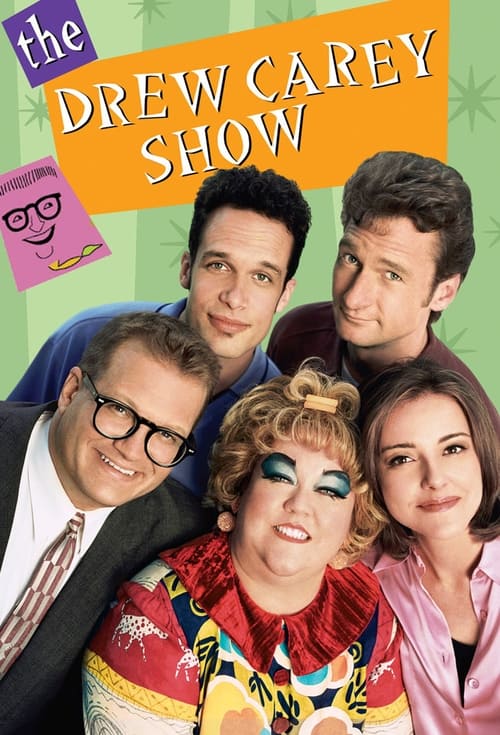
Drew is an assistant director of personnel in a Cleveland department store and he has been stuck there for ten years. Other than fighting with co-worker Mimi, his hobbies include drinking beer and not being able to get dates. To make a few extra bucks he has a micro-brewery going in his garage with his buddies.
2002
Claude Casey moved up in the secretarial world of television news, from temp to the anchor's desk. After her boss hires her full time, Claude realizes she may be in over her head in this world of assistants fighting to get ahead. But Claude is determined to prove that though she may not be perfect, she's not going down without a fight.
1970
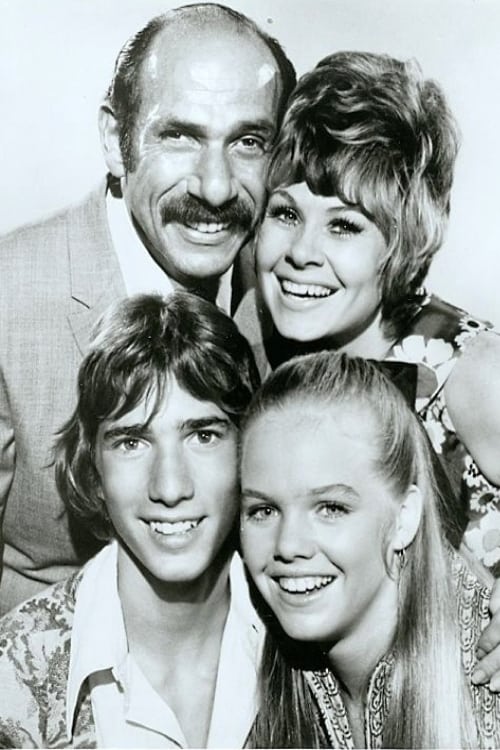
Arnie is a television sitcom that ran for two seasons on the CBS network. It stars Herschel Bernardi, Sue Ane Langdon, and Roger Bowen. Bernardi played the title character, Arnie Nuvo, a longtime blue collar employee at the fictitious Continental Flange Company, who overnight was promoted to an executive position. The storylines mainly focused on this fish out of water situation, and on Arnie's sometimes-problematic relationship with his well-meaning but wealthy and eccentric boss, Hamilton Majors Jr.. Because he still held his union card, Arnie could negotiate tricky management/labor situations that no one else could. Arnie's surname was presumably a pun on nouveau riche, and possibly also on Art Nouveau. In addition to Bernardi, Bowen, and Langdon, cast members included Del Russel and Stephanie Steele as Arnie's son and daughter, Richard and Andrea; Elaine Shore as Arnie's secretary, Felicia; and Herb Voland as sour-tempered executive Neil Ogilvie. In its first season, despite being the lead-in to The Mary Tyler Moore Show on Saturday nights and winning an Emmy nomination as best comedy series, Arnie received only fair Nielsen ratings. For its second season, in order to increase its viewership, CBS made a major cast change in the show's format. Charles Nelson Reilly joined the cast as Randy Robinson, a TV chef who called himself "The Giddyap Gourmet," apparently a reference to The Galloping Gourmet.