1992
WCW Saturday Night is the place to see the top WCW Superstars of the 1990s competing in the ring and giving unforgettable interviews.
WCW WorldWide was a syndicated TV show produced by World Championship Wrestling.
1985
A professional wrestling television program produced by the World Wrestling Federation banner on NBC airing in place of Saturday Night Live. The series was made up entirely of star vs. star bouts in a time when weekly programming consisted primarily of established stars dominating enhancement talent.
2002
WWE Velocity was a professional wrestling television program produced by World Wrestling Entertainment. It replaced two syndicated WWE shows, Jakked/Metal. Once a weekly Saturday night show on Spike TV and on Sky Sports 2 in the UK on Sunday mornings, Velocity became a webcast from 2005 to 2006. The newest episode would be uploaded to WWE.com on Saturdays and be available for the next week. Older webcast episodes were also archived. It was the counterpart show to WWE SmackDown and WWE Raw and was recorded before the television taping of SmackDown. Get up to speed on the week's high-octane events from the SmackDown brand and see exclusive matches only on WWE Velocity.
1986
The biggest WWE Superstars of the late 1980s and early '90s settle their differences in the ring on "Wrestling Challenge"; featuring exciting matches and memorable interviews, this weekly television series captures an important era of WWE history.
1998
WCW Thunder was a professional wrestling show produced by World Championship Wrestling.
WWE's flagship show of the early-90s featuring great in-ring action, news from the world of sports-entertainment, and more.
2007
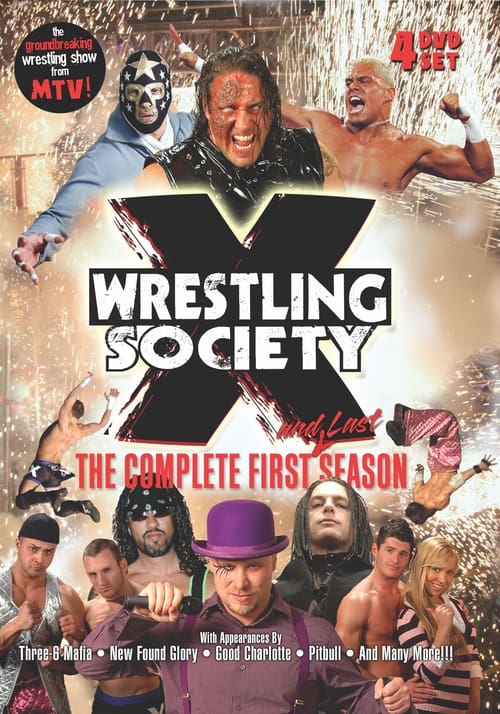
Wrestling Society X was a short-lived professional wrestling-based television series produced in 2006 by Big Vision Entertainment. The weekly television series formerly aired on MTV, MTV2, MTV Tr3s, and over a dozen other MTV outlets throughout the world. WSXtra, an extra program featuring WSX matches and interviews not broadcast on television, was available on the promotion's MTV website and Video on Demand. WSX was presented as a secret society of wrestling that used a venue referred to as the WSX Bunker, complete with an artificially worn-out looking ring for its matchups. In matches held within this venue, falls count anywhere was the stipulation. The program also stood out due to its unorthodox approach to pro wrestling; this included frequent use of highly expressive plants, crowd sound effects, electrical sound effects, visual effects, and camera shaking when a wrestler would fall prey to electrical weapons. Along with wrestling, WSX featured musical guests playing at the start of each television broadcast, with some band members joining the broadcast team after the performance.