1964
The biggest stars, the most iconic performances, the most outrageous outfits – it’s Britain’s number one pop show.
2009
MTV World Stage is a global series that brings multi-genre talents with global relevance to an audience in over 550 million households. Recorded "live" at the most exclusive gigs, world renowned music festivals and unique concert locations from around the world, MTV World Stage is the "front row seat" for music lovers to experience the biggest artists on the globe without leaving the comfort of their sofas. On August 15, 2009, MTV Asia staged the first ever outdoor MTV World Stage Live In Malaysia at Sunway Lagoon Resort in Kuala Lumpur. The event was attended by over 15, 000 fans. The 2011 event took place in I-City The event also featured a live, real-time microblogging application where comments and 'tweets' via SMS were displayed on giant screens at the concert venue.
1979
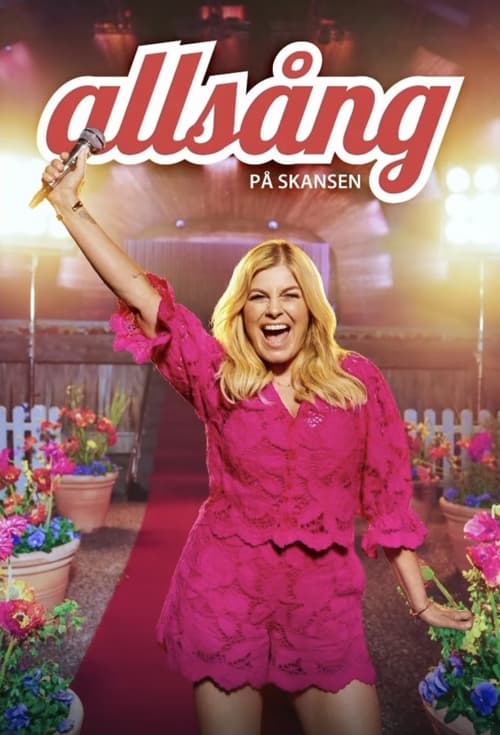
Allsång på Skansen is a Swedish tv show held at Skansen, Stockholm, every summer on Tuesdays. The audience is supposed to sing-along with musical guests to well-known Swedish songs. The show started in 1935 on a small scale - about fifty people in the audience. Today about 10 000–25 500 people come to each performance.
2010
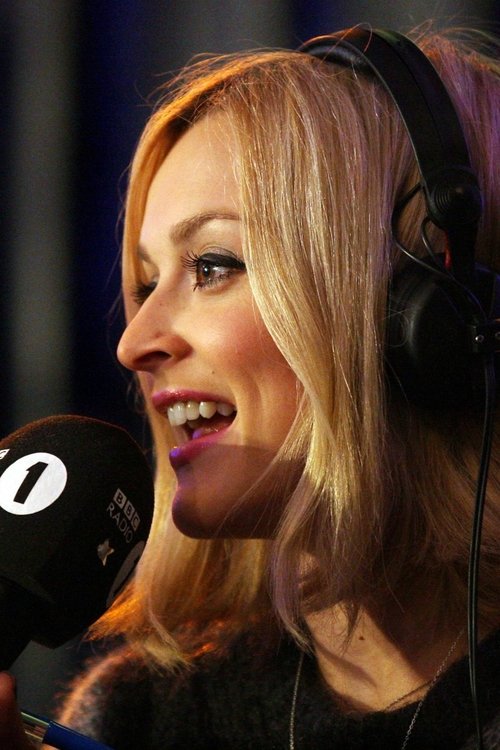
Amazing performances from Radio 1's world famous Live Lounge!
2021
2013
SINGER, formerly known as I AM A SINGER, is a large-scale singing competition program co-produced by Hunan Broadcasting System (HBS) and Mango TV. The first four seasons were adapted from the Korean reality show I Am a Singer produced by MBC. Beginning with the 2017 season, the program was rebranded as SINGER. The series brings together established vocalists from the Chinese music industry as well as internationally renowned artists to compete on stage. In each episode, the results are determined by a panel of 500 in-studio audience judges who vote to decide the singers’ rankings and eliminations. Starting with the 2024 season, the show shifted from pre-recorded broadcasts to fully live performances and introduced an additional panel of 500 online international audience judges.
1993
Taratata was a French TV show showcasing live and pre-recorded footage of current rock acts. Presented by Nagui since its début in 1993, the show was initially shown on France 2. The show often involved surprise and unlikely duets, as well as brief interviews with the artists. Taratata was cancelled in 2000, but returned in April 2005 on the public French network France 4 once a week on prime time, France 3, and late night once a month France 2 and Virgin Radio. Artists including Devendra Banhart, Katie Melua, and Ayo made their French TV debut on the show. The show's chief lighting technician, Jean-Philippe Bourdon, was awarded two Sept d'or in 1994 and 1995. The show featured unique duets and highlights new artists and uses different presenters for each episode. These aspects, and the general emphasis on original music, led the Conseil supérieur de l'audiovisuel to identify Taratata as a uniquely creative show on French TV in April 2009. The show aired throughout Europe on TV5MONDE Europe on Saturday nights. The show is also franchised to Dubai Television in Arabic with an almost identical format to its French counterpart. On 31 May 2013, France Télévisions announced that the show was cancelled. Despite the announcement, the show will continue in a web only format and that a concert will be oragnized at Zénith de Paris on 10 October 2013. The last show was recorded on 13 June 2013 and was broadcast on 12 July 2013.
1978
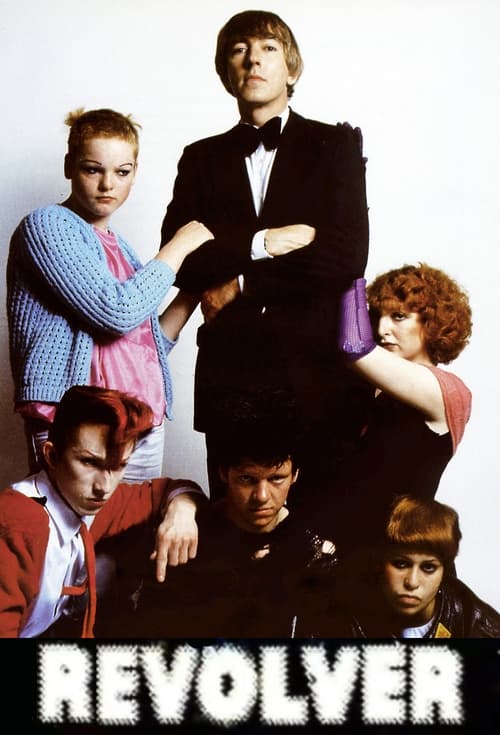
Revolver is a British music TV series on ITV that ran for one series only, of eight episodes, in 1978. It was produced by ATV. The series producer was Mickie Most, who was inspired to make the programme after he saw an interview with Top of the Pops' producer Robin Nash, in which he boasted that TOTP was a music programme that the whole family could enjoy together. Most set out to make a show which was the antithesis of that, and which featured live music performances most closely related to the then emergent Punk rock and New Wave music scenes - though it also included other more mainstream artists such as Kate Bush, Dire Straits and Lindisfarne. The official host of the programme was Chris Hill, but it is remembered more for the contributions of Peter Cook. Cook played the manager of the fictional ballroom where the show was supposedly taking place, and frequently made disparaging remarks about the acts appearing.